The High Protein Apple Muffin You’ll Make Every Single Week
What Is high protein cinnamon apple muffin tops with coconut milk?
High protein apple muffin tops are the breakfast solution I wish I’d discovered ten years ago when I was surviving on sad desk oatmeal and wondering why I felt hungry by 9 AM. These aren’t your typical bakery muffins that leave you crashing two hours later. We’re talking about tender, cinnamon-spiced rounds studded with real apple chunks and built on a base of coconut milk and Greek yogurt that delivers serious staying power without the dairy.
I’ve been baking variations of this recipe since my gym-going days when I couldn’t stomach another shake for breakfast. The muffin top shape isn’t just cute—it’s strategic. By skipping the starchy bottom, you get more of that golden, domed crown with the perfect cake-to-crust ratio. After testing batches for my family’s Saturday morning routine, this version became the only high protein apple muffin recipe I write in my meal planner anymore. If you’re looking for a portable breakfast that actually fills you up, try our Peanut Butter Crunch Protein Balls for another grab-and-go option that keeps you satisfied until lunch.
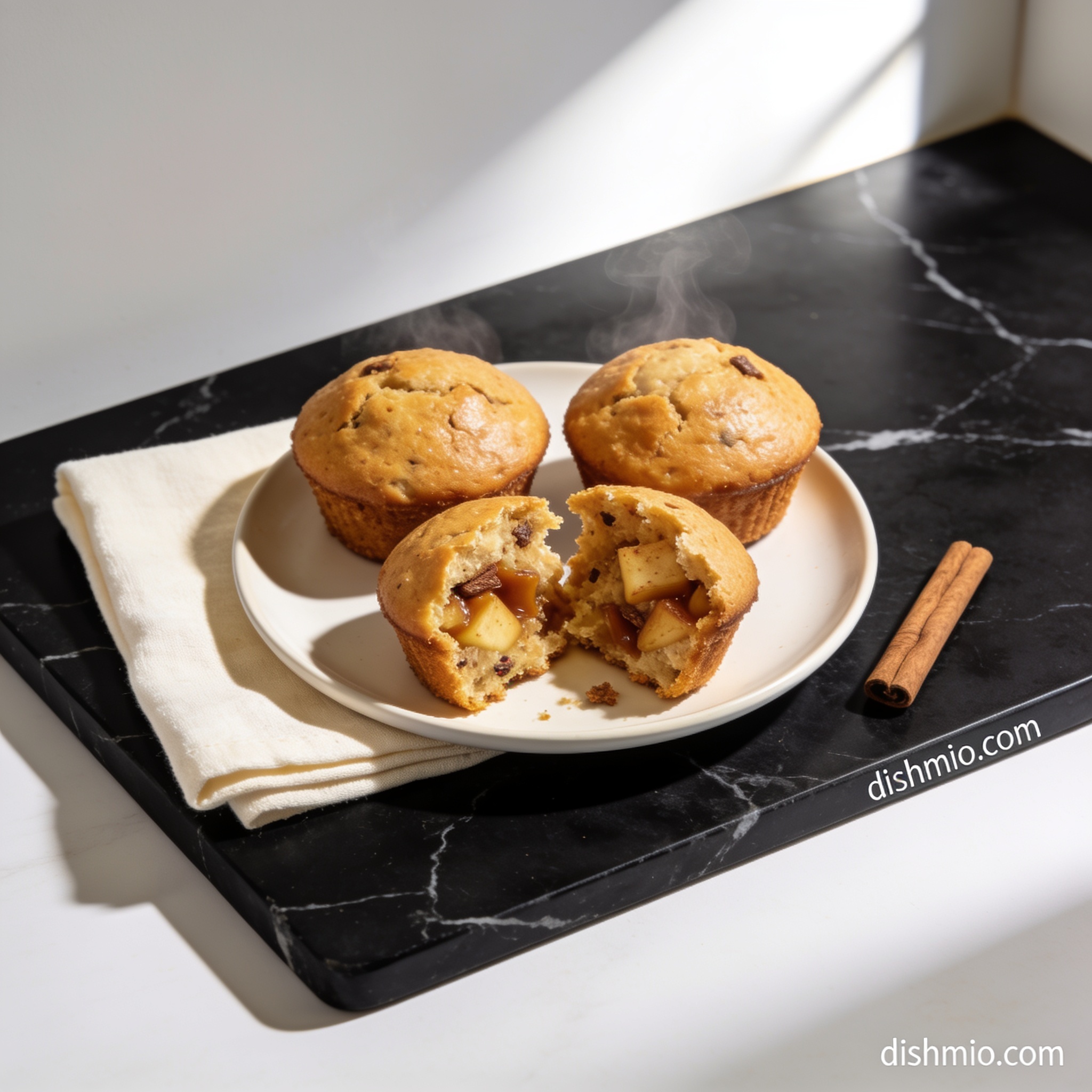
The magic happens when the apple chunks caramelize against the hot baking sheet while the protein-rich batter rises around them. Unlike traditional muffins that require a special tin, these bake free-form on parchment paper, creating rustic edges that remind me of bakery-style scones but with a softer, more cake-like interior. When you break one open, steam escapes carrying the scent of cinnamon and vanilla, and you can actually see the moisture glistening in the crumb instead of that dry, sawdust texture that ruins most high protein apple muffin attempts.
Why Does This high protein apple muffin Recipe Actually Work?
Most high protein apple muffin attempts end up rubbery or chalky because protein powder absorbs moisture differently than flour. This recipe works because we’re using coconut milk’s natural fat content alongside Greek yogurt to create a tender crumb that doesn’t dry out overnight. Each muffin top provides approximately 12-15g of protein using Greek yogurt and protein powder, delivering 30-40% of the daily recommended protein intake in a single serving while keeping calories under 200 per muffin top. Using coconut milk instead of dairy milk creates a dairy-free base while the natural fats help bind the protein powder, preventing the dry texture common in high-protein baked goods. The almond flour adds structure without gluten, while the diced apples contribute natural sweetness and moisture that balances the protein powder’s density.
The chemistry here matters more than in regular baking. Protein powder continues absorbing liquid as the batter sits, which means traditional mixing methods create a dry final product. By letting the batter rest for ten minutes before baking, we allow the coconut flour to fully hydrate while the baking powder activates slowly. This resting period is the secret weapon that separates a tender high protein apple muffin from one that tastes like a foam sponge.
What You’ll Need
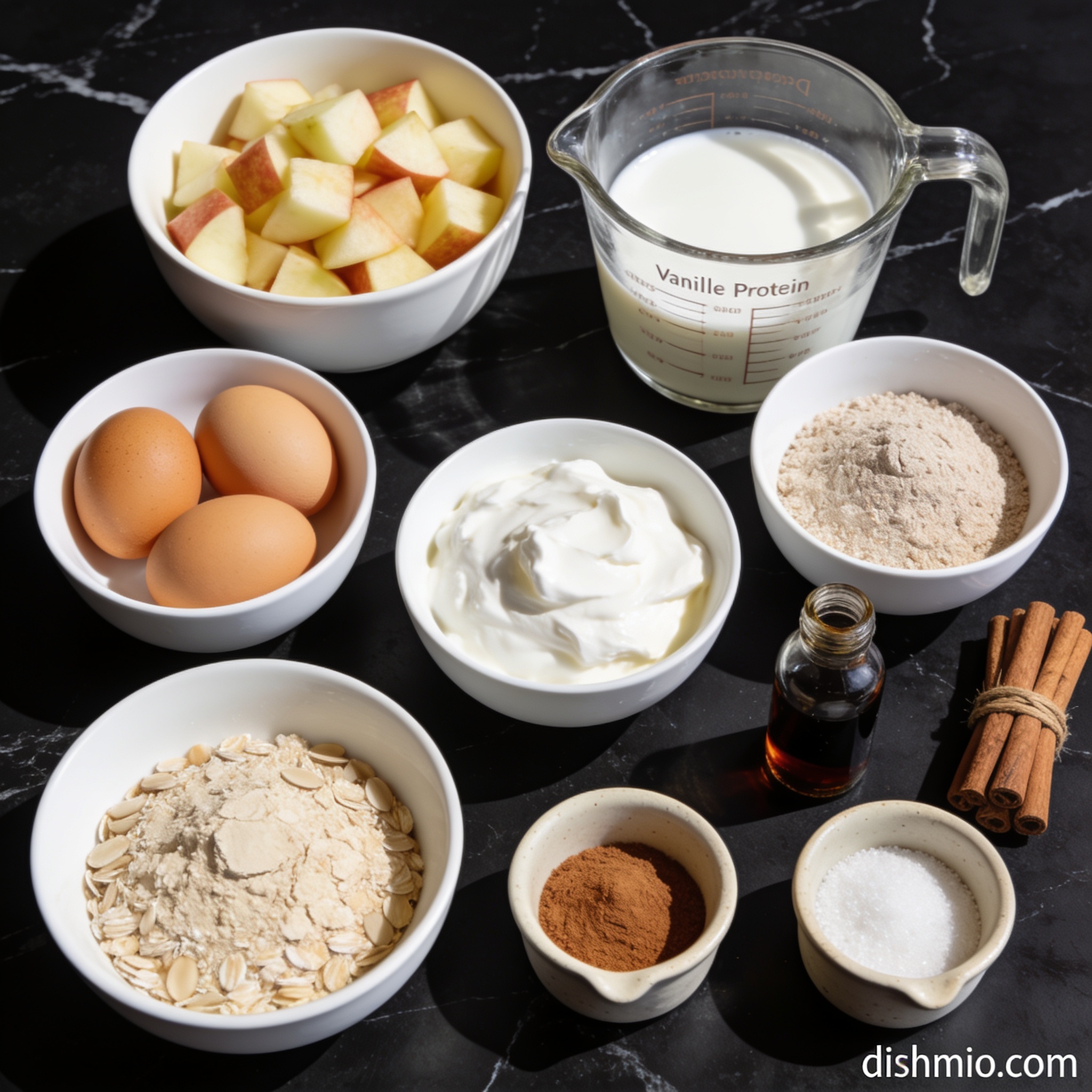
- 1 cup diced apple (about 1 medium Fuji or Honeycrisp, peeled)
- 1/2 cup vanilla protein powder (whey isolate or plant-based)
- 1/2 cup blanched almond flour
- 1/4 cup coconut flour
- 1 teaspoon aluminum-free baking powder
- 1 teaspoon ground Ceylon cinnamon
- 1/4 teaspoon freshly grated nutmeg
- 1/4 teaspoon fine sea salt
- 2 large eggs, room temperature
- 1/2 cup full-fat coconut milk (canned, shaken well)
- 1/2 cup plain Greek yogurt (non-fat or 2%)
- 2 tablespoons coconut sugar or pure maple syrup
- 1 teaspoon pure vanilla extract
- Optional topping: 1 tablespoon coarse sugar or cinnamon
The protein powder selection changes everything about your final texture. Whey protein isolate creates the lightest, most cake-like high protein apple muffin, while plant-based blends add density and a slightly nutty flavor. Coconut milk isn’t just for flavor here; the medium-chain triglycerides coat the protein particles, which prevents that gritty mouthfeel that ruins most protein baking projects.
How to Make high protein cinnamon apple muffin tops with coconut milk
Step 1: Prepare Your Apples and Dry Mix
Start by peeling and dicing your apple into quarter-inch pieces—any smaller and they disappear into the batter during baking, any larger and the tops won’t hold together properly. In a large mixing bowl, whisk together your protein powder, almond flour, coconut flour, baking powder, cinnamon, nutmeg, and salt until no lumps remain. The coconut flour needs to be evenly distributed or you’ll hit dry pockets in your finished high protein apple muffin tops, so spend a full minute whisking here rather than rushing through the step.
Step 2: Combine Wet Ingredients Separately
In a separate medium bowl, beat the eggs lightly with a fork until the yolks and whites are just combined before adding the coconut milk, Greek yogurt, coconut sugar, and vanilla extract. The key here is room temperature ingredients—cold coconut milk will seize up when it hits the yogurt, creating a lumpy batter that won’t rise properly and results in dense, flat muffin tops. Whisk until you have a smooth, pourable liquid that looks like melted vanilla ice cream, ensuring the fat from the coconut milk is fully incorporated into the other wet ingredients rather than floating on top.
Step 3: Fold and Add Apples
Pour your wet mixture into the dry ingredients and fold gently with a rubber spatula until just combined—overmixing develops the gluten-like structures in the protein powder too much and creates a tough, rubbery high protein apple muffin instead of a tender, cake-like one. When you still see faint streaks of flour throughout the batter, fold in your diced apples until they’re evenly distributed throughout the thick mixture. The batter should look like chunky cookie dough rather than pourable cake batter, holding its shape when scooped.
Step 4: Shape and Bake
Line a large baking sheet with parchment paper or a silicone baking mat, then scoop the batter using a quarter-cup measure to create distinct domes spaced two inches apart—these won’t spread like cookies, but they need air circulation to develop that signature cracked, bakery-style top. If you want extra crunch, sprinkle coarse sugar or cinnamon over the tops before baking. Slide into a 350°F oven for 22-28 minutes until the tops are deep golden brown and a toothpick inserted into the center comes out with just a few moist crumbs attached, then let them cool on the pan for five minutes before transferring to a wire rack to prevent soggy bottoms.
What Makes This high protein apple muffin Different?
Traditional high protein apple muffin recipes rely on applesauce for moisture, which creates a dense, bready texture that feels like punishment food rather than a morning treat. By using fresh apples and coconut milk together, we get pockets of juicy fruit suspended in a cake-like base that actually tastes like something you’d buy from a specialty bakery. The muffin top shape eliminates the soggy bottom that plagues regular muffins stored in containers, meaning these high protein apple muffin creations stay fresh longer without getting gummy or wet.
Most protein baking fails because the cook treats protein powder like all-purpose flour—it behaves completely differently in recipes. Protein powder continues absorbing liquid as it sits, which is why many recipes taste great warm but turn into hockey pucks by morning. Resting the batter for ten minutes before baking allows the coconut flour to hydrate fully and the baking powder to activate properly, preventing that dry, crumbly texture that makes people quit high protein apple muffin experiments after one disappointing batch.
How to Store and Reheat
Store completely cooled muffin tops in an airtight container lined with paper towels to absorb any excess moisture that accumulates during storage. They’ll stay fresh at room temperature on your counter for two days, or in the refrigerator for up to five days without losing their texture. For longer storage, freeze individual high protein apple muffin tops on a baking sheet until solid, about two hours, then transfer to a freezer-safe bag where they’ll keep fresh for three months without freezer burn.
To reheat from the fridge, microwave for 15-20 seconds on a microwave-safe plate or warm in a 300°F oven for five minutes until just heated through. From frozen, microwave for 45 seconds wrapped in a slightly damp paper towel to restore moisture, or thaw overnight in the refrigerator. Never store these while still warm—condensation will make the tops sticky and compromise that perfect domed texture you worked to create. This high protein apple muffin method makes all the difference.
Can You Make high protein cinnamon apple muffin tops with coconut milk Ahead of Time?
These are ideal for Sunday meal prep sessions when you want to set yourself up for a successful week. I bake a double batch every weekend and store half in the freezer for busy Wednesday mornings when I don’t have time to cook anything fresh. The batter itself can be mixed and refrigerated for up to 24 hours before baking, though you’ll need to add two extra tablespoons of coconut milk since the coconut flour will continue absorbing liquid overnight in the cold. This high protein apple muffin method makes all the difference.
Pre-portion the dry ingredients into mason jars on Sunday night, then mix with the wet ingredients in the morning for fresh-baked high protein apple muffin tops in thirty minutes. The baked tops actually taste better on day two after the flavors have had time to meld together, making them perfect for hosting brunch or packing in lunch boxes for the kids.
Variations Worth Trying
- Spiced Chai Version: Add 1/2 teaspoon of ground cardamom and a pinch of ground cloves to the dry mix for a warming spice profile that pairs beautifully with the apple and makes your kitchen smell like a high-end coffee shop.
- Tropical Twist: Replace half the diced apple with finely chopped pineapple and add 1/4 cup unsweetened shredded coconut to the batter to transport your high protein apple muffin to island time while keeping the macros intact.
- Double Chocolate Protein: Fold in 2 tablespoons of unsweetened cocoa powder with the dry ingredients and use sugar-free chocolate chips instead of apples for a dessert-for-breakfast situation that still hits your protein targets.
- Savory Cheese Option: Omit the cinnamon and sugar, add 1/4 cup nutritional yeast and 2 tablespoons of Everything Bagel seasoning for a savory high protein apple muffin that works beautifully alongside soup or salad.
What to Serve With high protein cinnamon apple muffin tops with coconut milk?
Pair these with a High Protein Quinoa Spinach Salad That Stays Fresh for Days if you’re eating them for lunch, or keep it simple with black coffee or an oat milk latte for a quick breakfast. For a complete brunch spread, add scrambled eggs with fresh chives and a bowl of mixed berries on the side. If you’re serving these to kids who need extra healthy fats for growing bodies, slice them in half while warm and spread with almond butter or cashew cream cheese. This high protein apple muffin method makes all the difference.
Frequently Asked Questions About high protein cinnamon apple muffin tops with coconut milk
How much protein is in each muffin top?
Each high protein apple muffin top contains approximately 12-15 grams of protein depending on the specific brand of protein powder you use. This comes from the combination of protein powder, Greek yogurt, eggs, and almond flour working together. If you need to hit a specific macro target for your diet, weigh your protein powder rather than using cup measurements for the most accurate calculation.
Can I substitute coconut milk with almond milk or regular milk?
You can use almond milk in a pinch, but you’ll lose the fat content that keeps these moist, so add 1 tablespoon of melted coconut oil or butter to compensate. Regular dairy milk works fine if you’re not avoiding lactose, though the flavor profile changes slightly and you lose the subtle coconut aroma. The high protein apple muffin texture is best with full-fat coconut milk’s richness, so avoid skim or low-fat alternatives regardless of which milk you choose.
How do I store these muffin tops to keep them fresh?
Cool your high protein apple muffin tops completely on a wire rack before storing in an airtight container with paper towels between layers to prevent sticking. Store at room temperature for up to 2 days or refrigerate for up to 5 days. For maximum freshness, freeze individually and thaw as needed rather than keeping a full batch on the counter where they can dry out.
Can I make these muffin tops gluten-free?
This high protein apple muffin recipe is naturally gluten-free as written since it uses almond flour and coconut flour instead of wheat flour. Just ensure your protein powder is certified gluten-free, as some brands process whey in facilities with cross-contamination risks. The texture is actually superior to wheat-based protein muffin recipes because the nut flours add their own natural richness and moisture.
What type of protein powder works best for this recipe?
Whey protein isolate creates the lightest, most cake-like texture for your high protein apple muffin, while casein provides extra moisture and a slightly denser crumb. Plant-based blends work but can create a slightly gummier texture—if using pea protein, reduce the coconut milk by 2 tablespoons to compensate for the different absorption rate. Avoid mass gainer powders or those with added carbohydrates, as they throw off the liquid ratios in this specific formula.
This high protein apple muffin recipe has become my non-negotiable Monday morning ritual after years of disappointing protein pancakes that took too long to cook during busy mornings. Try baking a batch this weekend and let me know how they turn out—once you nail the texture, you’ll never go back to store-bought protein bars again.
High Protein Cinnamon Apple Muffin Tops
Tender, bakery-style muffin tops packed with 12-15g protein per serving. Made with coconut milk, Greek yogurt, and fresh apples for a dairy-free breakfast that keeps you full.
Ingredients
- 1 cup diced apple (about 1 medium Fuji or Honeycrisp, peeled)
- 1/2 cup vanilla protein powder (whey isolate or plant-based)
- 1/2 cup blanched almond flour
- 1/4 cup coconut flour
- 1 teaspoon aluminum-free baking powder
- 1 teaspoon ground Ceylon cinnamon
- 1/4 teaspoon freshly grated nutmeg
- 1/4 teaspoon fine sea salt
- 2 large eggs, room temperature
- 1/2 cup full-fat coconut milk (canned, shaken well)
- 1/2 cup plain Greek yogurt (non-fat or 2%)
- 2 tablespoons coconut sugar or pure maple syrup
- 1 teaspoon pure vanilla extract
- Optional topping: 1 tablespoon coarse sugar or cinnamon
Instructions
- 1. Preheat oven to 350°F and line a baking sheet with parchment paper.
- 2. Peel and dice apple into 1/4-inch pieces.
- 3. In a large bowl, whisk together protein powder, almond flour, coconut flour, baking powder, cinnamon, nutmeg, and salt until lump-free.
- 4. In a separate bowl, beat eggs lightly, then whisk in coconut milk, Greek yogurt, coconut sugar, and vanilla until smooth.
- 5. Pour wet ingredients into dry ingredients and fold gently with a rubber spatula until just combined—do not overmix.
- 6. Fold in diced apples until evenly distributed throughout the thick batter.
- 7. Let batter rest for 10 minutes to allow coconut flour to hydrate.
- 8. Scoop batter using a 1/4 cup measure onto prepared baking sheet, spacing 2 inches apart.
- 9. Sprinkle with coarse sugar or cinnamon if desired.
- 10. Bake for 22-28 minutes until tops are golden brown and toothpick inserted in center comes out clean.
- 11. Cool on pan for 5 minutes, then transfer to wire rack to cool completely.
Notes
- Store in an airtight container at room temperature for 2 days, refrigerate for 5 days, or freeze for up to 3 months.
- For best results, use room temperature ingredients to prevent coconut milk from seizing.
- If using plant-based protein, reduce coconut milk by 2 tablespoons.