The Gluten Free Chocolate Chip Skillet Cookie My Family Begs For
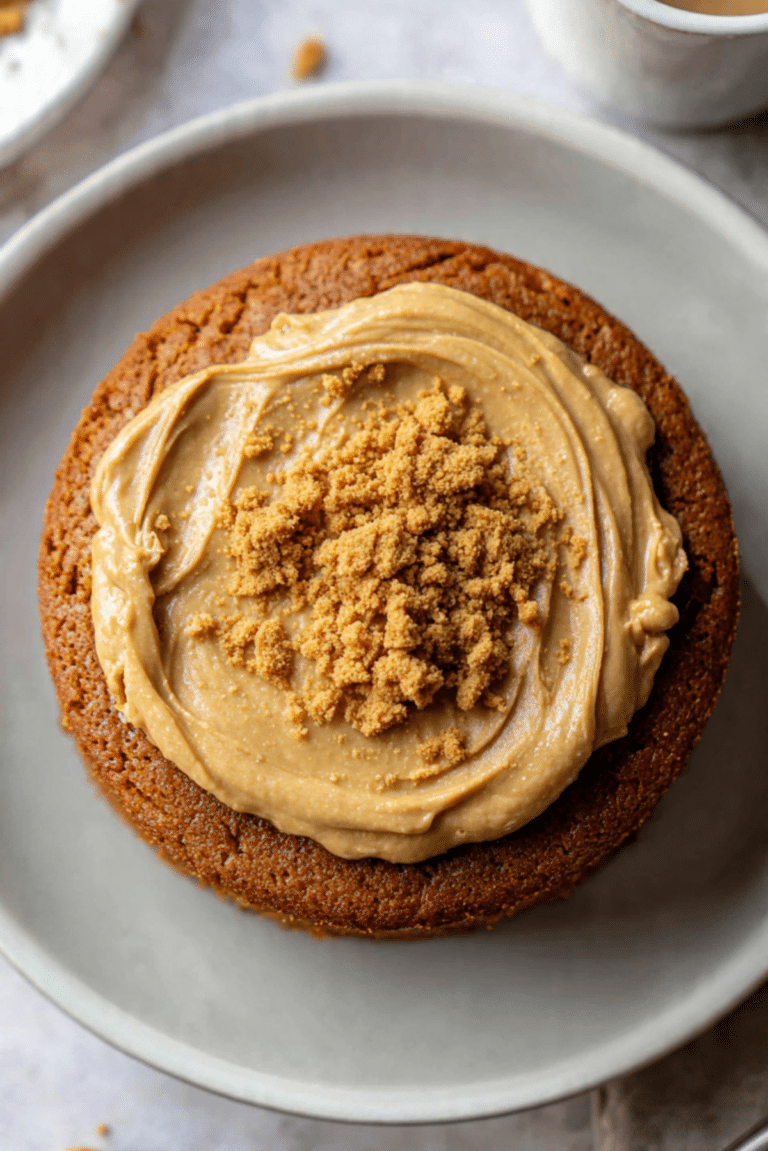
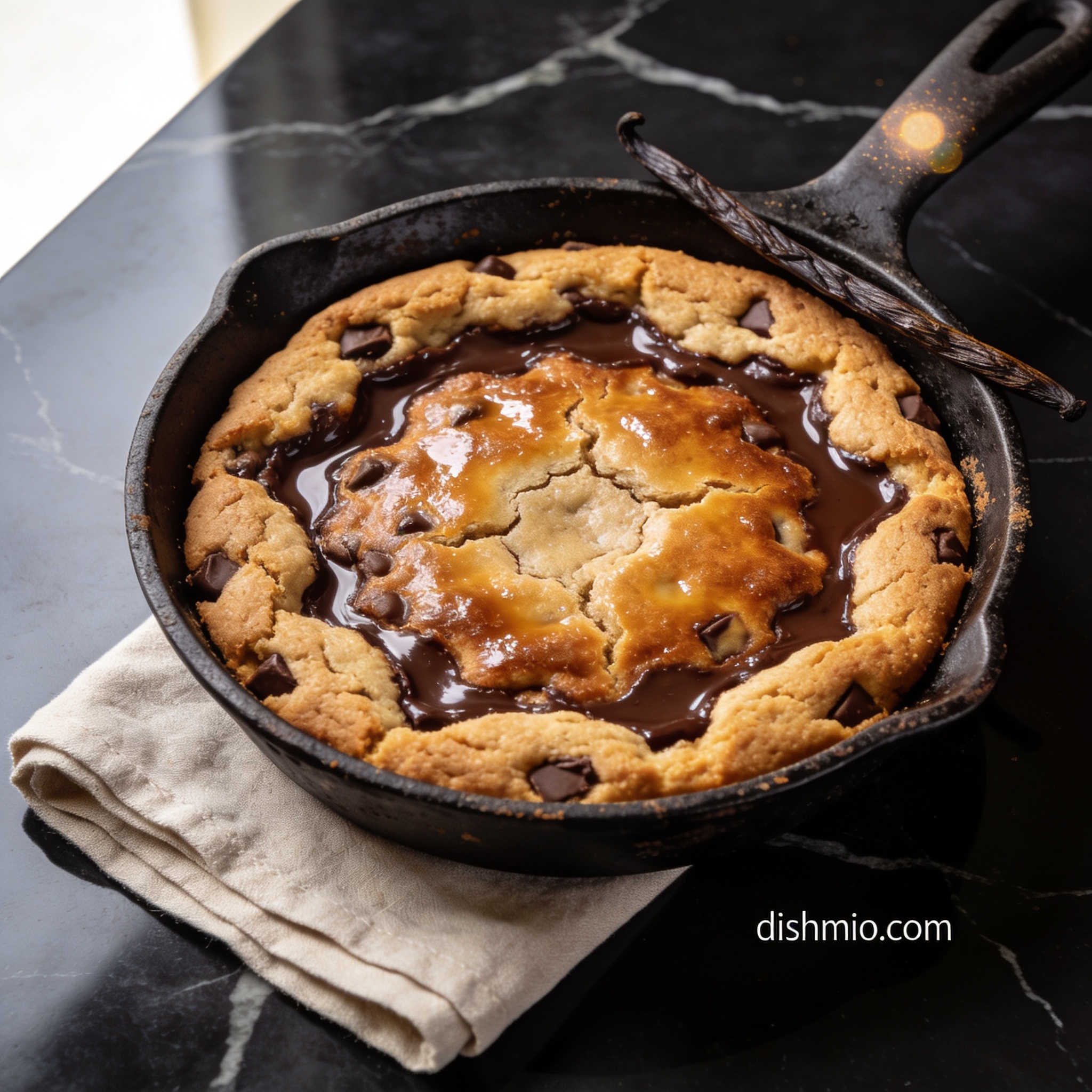
Gluten free chocolate chip cookie skillet with almond flour is essentially a giant, warm cookie baked in a cast iron pan that delivers all the gooey comfort of a bakery-style treat without the wheat or grains. Unlike traditional cookies that spread into thin, crispy discs, this method creates a thick, tender center with perfectly golden edges that you can slice like a pie or scoop straight from the pan while it’s still warm. The almond flour creates a naturally rich, buttery base that pairs beautifully with dark chocolate, while the skillet method ensures even baking and that coveted slightly crisp bottom.
I stumbled upon this method last winter when I ran out of all-purpose flour but had a bag of almond flour staring me down from the pantry. I was skeptical. Would it bind? Would it taste like marzipan? I pressed the dough into my grandmother’s cast iron skillet and crossed my fingers. Twenty-five minutes later, my kitchen smelled like a chocolate shop, and my husband was standing over the stove with a spoon ready. That first bite—crispy exterior, molten chocolate, buttery almond flavor—hooked me immediately. Now it’s my go-to when I need something faster than individual cookies but more special than a basic bar. I’ve even started keeping almond flour stocked just for this recipe, and if you’re looking for another simple cookie option that doesn’t require rolling dough, my 3 Ingredient Protein Cookies are another pantry-friendly win when time is tight.
Why Does This gluten free chocolate chip cookie skillet almond flour Recipe Actually Work?
The success of this almond flour skillet cookie recipe comes down to understanding how alternative flours behave in a hot cast iron environment. When you combine the right ratios with proper technique, you get a dessert that rivals any traditional chocolate chip pizookie almond flour variation you’d find in a restaurant.
- Almond flour brings more than just texture to this dessert. Unlike wheat flour, almond flour contains 6g of protein per 1/4 cup serving, significantly higher than wheat flour’s 3g, which means every slice delivers staying power along with sweetness. This protein content also helps create structure without gluten.
- The high fat content naturally present in almond flour creates that desirable tender texture without needing shortening or excessive butter, keeping this a relatively clean grain free skillet dessert option.
- Chilling the dough for 15 minutes before baking helps almond flour cookies hold their shape and prevents excessive spreading, giving you that perfect thick pizookie texture rather than a thin, crumbly pancake.
- Using a cast iron skillet provides steady, even heat distribution that crisps the bottom beautifully while keeping the center soft and gooey, something a regular baking sheet simply cannot replicate.
- Dark chocolate chunks rather than standard chips create irregular pockets of molten chocolate that complement the nutty base, making this low carb cookie skillet feel indulgent rather than restrictive.
What You’ll Need
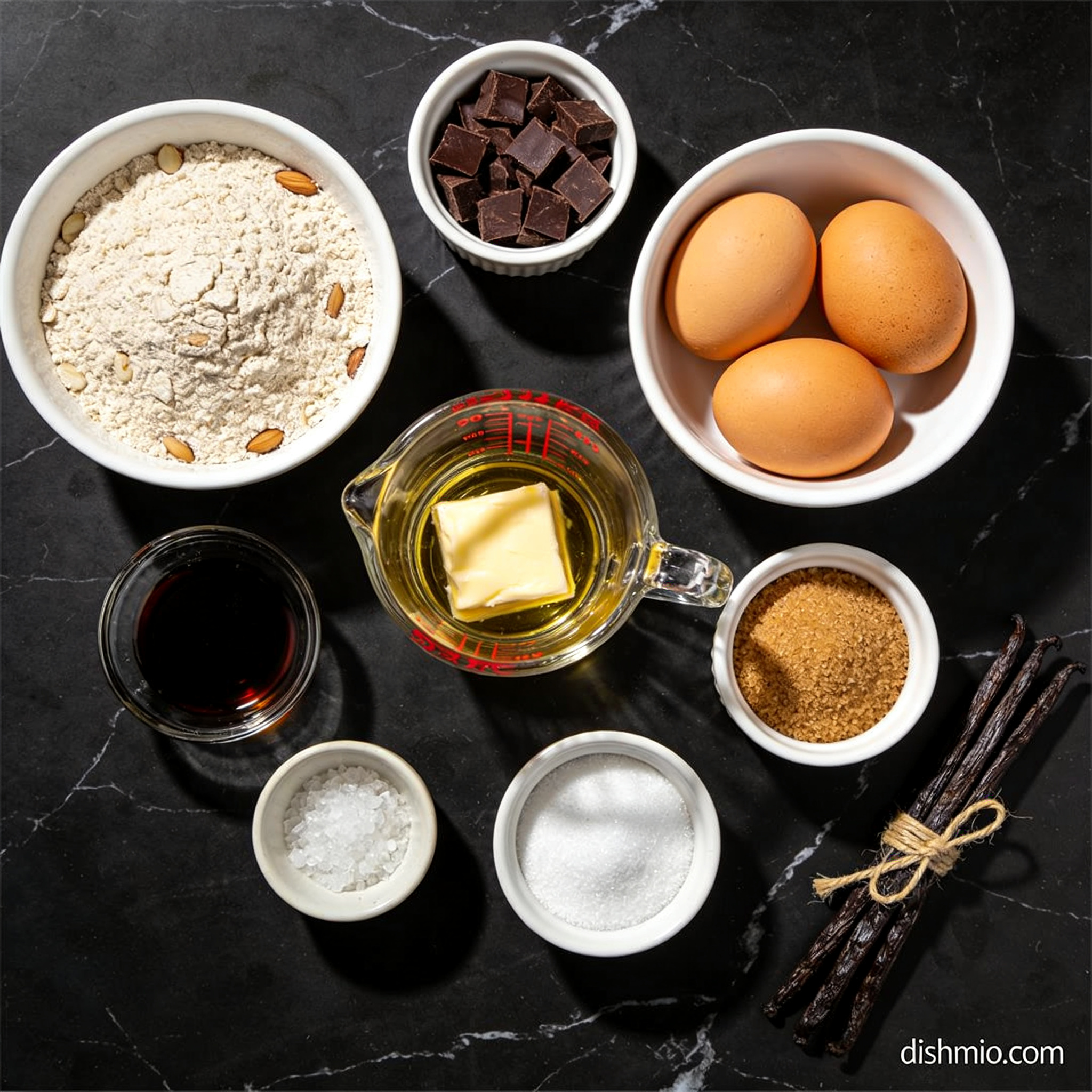
- 2 cups blanched almond flour (finely ground, not almond meal)
- 1/2 teaspoon baking soda
- 1/4 teaspoon fine sea salt
- 1/3 cup melted coconut oil or unsalted butter, cooled slightly
- 1/3 cup maple syrup or honey (for paleo chocolate chip cookie skillet option)
- 1 large egg, room temperature
- 2 teaspoons pure vanilla extract
- 3/4 cup dark chocolate chunks or sugar-free chocolate chips
- Flaky sea salt for topping (optional)
The blanched almond flour is crucial here. Blanched means the almonds were skinned before grinding, resulting in a finer, lighter texture that mimics wheat flour more closely than almond meal, which includes skins and creates a gritty, heavy result. I also prefer dark chocolate with 70% cacao or higher because it balances the natural sweetness of the almond flour and holds its shape better during baking than milk chocolate varieties.
How to Make gluten free chocolate chip cookie skillet with almond flour
Step 1: Mix the Dry Base
Start by whisking the almond flour, baking soda, and fine sea salt together in a large mixing bowl until completely combined. You want to break up any clumps in the almond flour now, as they won’t dissolve later. In a separate medium bowl, whisk together the melted coconut oil (or butter), maple syrup, egg, and vanilla extract until the mixture is smooth and slightly emulsified. The egg should be fully incorporated without any visible streaks. Pour the wet ingredients into the dry ingredients and stir with a wooden spoon or sturdy spatula until a thick, uniform dough forms. The mixture will be stiffer than traditional cookie dough—that’s exactly what you want for this easy almond flour cookies method.
Step 2: Fold in the Chocolate
Add the dark chocolate chunks to the dough and fold gently until they’re evenly distributed throughout. Don’t overmix here; you want to see streaks of chocolate in every bite without crushing the pieces. If the dough feels too soft or greasy, that’s normal for almond flour batters, but this is where patience pays off. Cover the bowl tightly with plastic wrap or a reusable silicone lid and place it in the refrigerator for exactly 15 minutes. This brief chill firms up the coconut oil or butter, which is essential for preventing the cookies from spreading too thin and falling apart during baking.
Step 3: Press and Prepare
Preheat your oven to 350°F. Remove the chilled dough from the refrigerator and transfer it directly into an 8-inch or 10-inch cast iron skillet. Use damp fingers or the back of a greased spoon to press the dough evenly across the bottom of the pan, working it into the edges and creating a smooth, level surface. The dough should be about 3/4-inch thick. If you’re using a 10-inch skillet, the cookie will be slightly thinner and bake faster, so check it at the 22-minute mark. For an extra touch, press a few additional chocolate chunks into the top of the dough and sprinkle with flaky sea salt if desired.
Step 4: Bake to Perfection
Place the skillet in the center of the preheated oven and bake for 22 to 28 minutes, depending on your desired texture. At 22 minutes, the edges will be golden brown and set, but the center will still be quite soft—perfect for scooping with ice cream. At 28 minutes, the cookie will be fully set throughout and sliceable like a cake. Remove the skillet from the oven and place it on a wire cooling rack. Let it rest for at least 15 minutes before serving; almond flour continues to firm up as it cools, and cutting too early will result in crumbly slices. The residual heat from the cast iron will keep the center warm and gooey for serving.
What Makes This gluten free chocolate chip cookie skillet with almond flour Different?
After testing this recipe dozens of times, I’ve learned exactly where home bakers go wrong with almond flour desserts. The mistakes are different from wheat-based baking, but the fixes are simple once you know them.
- Don’t use almond meal instead of blanched almond flour. The skins in almond meal create a gritty texture and darker color that makes the cookie taste heavy rather than tender.
- Resist the urge to add more liquid if the dough seems thick. Almond flour dough is naturally denser than wheat dough, and extra liquid will make your gluten free skillet cookie cakey rather than chewy.
- Never skip the cooling period in the pan. Almond flour lacks gluten, which means it doesn’t have the structural scaffolding of traditional cookies. It needs those 15 minutes to set properly before you cut or scoop.
- Watch your oven temperature carefully. Because almond flour contains more fat, it browns faster than wheat-based goods. If your oven runs hot, start checking at the 20-minute mark to prevent burning.
- Use room temperature eggs. Cold eggs can cause the coconut oil or melted butter to solidify and create streaky pockets in the finished cookie rather than an even crumb.
How to Store and Reheat
Once completely cooled, cover the skillet tightly with aluminum foil or transfer individual slices to an airtight container. Store at room temperature for up to 2 days, or refrigerate for up to 5 days. The refrigerator actually improves the texture slightly, making the chocolate harder and the cookie more fudge-like.
To reheat, place individual slices on a microwave-safe plate and warm for 20-25 seconds. Alternatively, pop the entire skillet (without the cover) into a 300°F oven for 10 minutes to restore that fresh-from-the-oven warmth and crisp edge. I do not recommend freezing this particular dessert, as the high fat content in almond flour can create an oily texture once thawed.
Can You Make gluten free chocolate chip cookie skillet with almond flour Ahead of Time?
Yes, and it’s actually a brilliant strategy for dinner parties or meal prep. You can prepare the dough up to 24 hours in advance and keep it covered in the refrigerator. When you’re ready to bake, simply press it into the skillet and add 3-5 minutes to the baking time since you’re starting with cold dough.
Alternatively, bake the cookie completely the day before your event. Once cooled, cover the skillet tightly with foil and store at room temperature. The flavors actually meld and improve after sitting overnight, making this an ideal make-ahead dessert for busy hosts who want to serve something impressive without last-minute stress.
Variations Worth Trying
The base recipe is forgiving and adapts beautifully to different dietary needs and flavor preferences. Here are my favorite tested variations:
- Paleo Perfect: Use coconut sugar instead of maple syrup and add 1/4 cup chopped walnuts for crunch. This creates a more traditional paleo chocolate chip cookie skillet with deeper caramel notes.
- Nut-Free Option: Substitute half the almond flour with sunflower seed flour for a school-safe version. Note that sunflower seeds can react with baking soda to create a green tint, which is harmless but surprising—add 1 tablespoon of lemon juice to the batter to prevent this.
- Espresso Boost: Add 1 teaspoon of espresso powder to the dry ingredients. It doesn’t make the cookie taste like coffee; instead, it amplifies the chocolate flavor and adds subtle complexity.
- Berry Almond: Swap half the chocolate for 1/2 cup of fresh raspberries or chopped strawberries pressed into the top before baking. The tart fruit cuts through the richness beautifully.
What to Serve With gluten free chocolate chip cookie skillet with almond flour?
While this skillet cookie is magnificent on its own, pairing it with the right accompaniment turns it into a restaurant-worthy dessert experience.
- Vanilla Bean Ice Cream: The classic pairing. The cold, creamy vanilla against the warm, nutty chocolate creates temperature and texture contrast that never fails to impress guests.
- Strong Black Coffee: The bitterness of a fresh French press or espresso balances the natural sweetness of almond flour and maple syrup, making this an ideal afternoon treat.
- Coconut Whipped Cream: For a dairy-free option, whip the thick cream from a chilled can of full-fat coconut cream with a touch of honey. Dollop over warm slices for ethereal texture.
- Maldon Salt and Olive Oil: Drizzle a tiny bit of high-quality extra virgin olive oil over the top and finish with more flaky salt for a sophisticated, less sweet presentation that highlights the almond flavor.
Frequently Asked Questions About gluten free chocolate chip cookie skillet with almond flour
Can I use almond flour instead of regular flour for cookies?
Yes, but you cannot substitute it in a 1:1 ratio for wheat flour in traditional recipes. Almond flour lacks gluten, which provides structure, so you need recipes specifically developed for almond flour. This skillet method works particularly well because the pan provides structure from the sides and bottom, supporting the softer almond flour dough as it bakes. When used correctly, almond flour creates a more tender, moist cookie with a subtle nutty flavor that many people prefer to wheat-based versions.
How do you keep almond flour cookies from falling apart?
The key is sufficient binding agents and proper cooling time. This recipe uses one egg, which provides excellent structure for almond flour. Additionally, chilling the dough before baking firms up the fats and allows the almond flour to fully hydrate, creating a more cohesive dough. Most importantly, you must let the baked cookie cool in the pan for at least 15 minutes before cutting. Almond flour cookies continue to set as they cool, and cutting too early will result in crumbly slices that fall apart.
What can I use instead of eggs in almond flour cookies?
For an egg-free version, you can use a “flax egg” (1 tablespoon ground flaxseed mixed with 3 tablespoons water, left to gel for 5 minutes). However, the texture will be slightly more fragile. Another option is 1/4 cup of unsweetened applesauce, which adds moisture but may create a cake-like rather than chewy texture. Chia seeds work similarly to flax. If using an egg substitute, I recommend adding 1 tablespoon of coconut flour to help absorb excess moisture and provide additional binding.
Is almond flour healthier than regular flour for baking?
Nutritionally, almond flour offers different benefits than wheat flour. It is naturally gluten-free, lower in carbohydrates, and significantly higher in healthy fats, protein, and vitamin E. A 1/4 cup serving contains 6 grams of protein compared to wheat flour’s 3 grams, plus more fiber and monounsaturated fats. However, it is also more calorie-dense due to the fat content. Whether it’s “healthier” depends on your dietary goals—it’s excellent for blood sugar control and grain-free diets, but those watching calories should be mindful of portion sizes.
Why are my almond flour cookies too moist?
Excess moisture usually comes from too much liquid sweetener (like maple syrup or honey), not enough almond flour to absorb it, or underbaking. Almond flour continues to cook slightly from residual heat after removal from the oven, so if the center looks slightly underdone at the 25-minute mark, it’s actually perfect. If your dough seems wet before baking, add 1-2 tablespoons more almond flour. Also ensure you’re using blanched almond flour, not almond meal, as the finer grind absorbs liquid more effectively than the coarser meal.
This gluten free chocolate chip cookie skillet with almond flour has become my signature dessert for a reason. It requires minimal effort, uses simple ingredients I always have on hand, and delivers that perfect balance of crisp edges and gooey center that makes people ask for the recipe before they’ve finished their first bite.

Gluten Free Chocolate Chip Cookie Skillet with Almond Flour
A warm, gooey grain-free dessert baked in a cast iron skillet featuring nutty almond flour and rich dark chocolate chunks. Naturally gluten-free with crisp edges and a tender center.
Ingredients
- 2 cups blanched almond flour (finely ground)
- 1/2 teaspoon baking soda
- 1/4 teaspoon fine sea salt
- 1/3 cup melted coconut oil or unsalted butter, cooled slightly
- 1/3 cup maple syrup or honey
- 1 large egg, room temperature
- 2 teaspoons pure vanilla extract
- 3/4 cup dark chocolate chunks or chips
- Flaky sea salt for topping (optional)
Instructions
- 1. In a large bowl, whisk together almond flour, baking soda, and fine sea salt until no clumps remain.
- 2. In a separate medium bowl, whisk melted coconut oil (or butter), maple syrup, egg, and vanilla extract until smooth and fully combined.
- 3. Pour wet ingredients into dry ingredients and stir with a wooden spoon until a thick dough forms.
- 4. Fold in dark chocolate chunks until evenly distributed throughout the dough.
- 5. Cover dough and refrigerate for 15 minutes to firm up and prevent excessive spreading.
- 6. Preheat oven to 350°F. Press chilled dough evenly into an 8-inch or 10-inch cast iron skillet, creating a smooth surface about 3/4-inch thick.
- 7. Optional: Press additional chocolate chunks on top and sprinkle with flaky sea salt.
- 8. Bake for 22-28 minutes until edges are golden brown and center is set but still soft. A shorter bake yields a gooier center; longer bake yields a firmer, sliceable cookie.
- 9. Remove from oven and cool on a wire rack for at least 15 minutes before serving to allow the cookie to set properly.
Notes
- Use blanched almond flour, not almond meal, for the best texture.
- For a paleo version, use coconut sugar instead of maple syrup.
- Cookie can be stored covered at room temperature for 2 days or refrigerated for 5 days.
- If using a 10-inch skillet, check for doneness at 22 minutes as the cookie will be thinner.