Creamy Powdered Milk Pudding
Creamy Powdered Milk Pudding
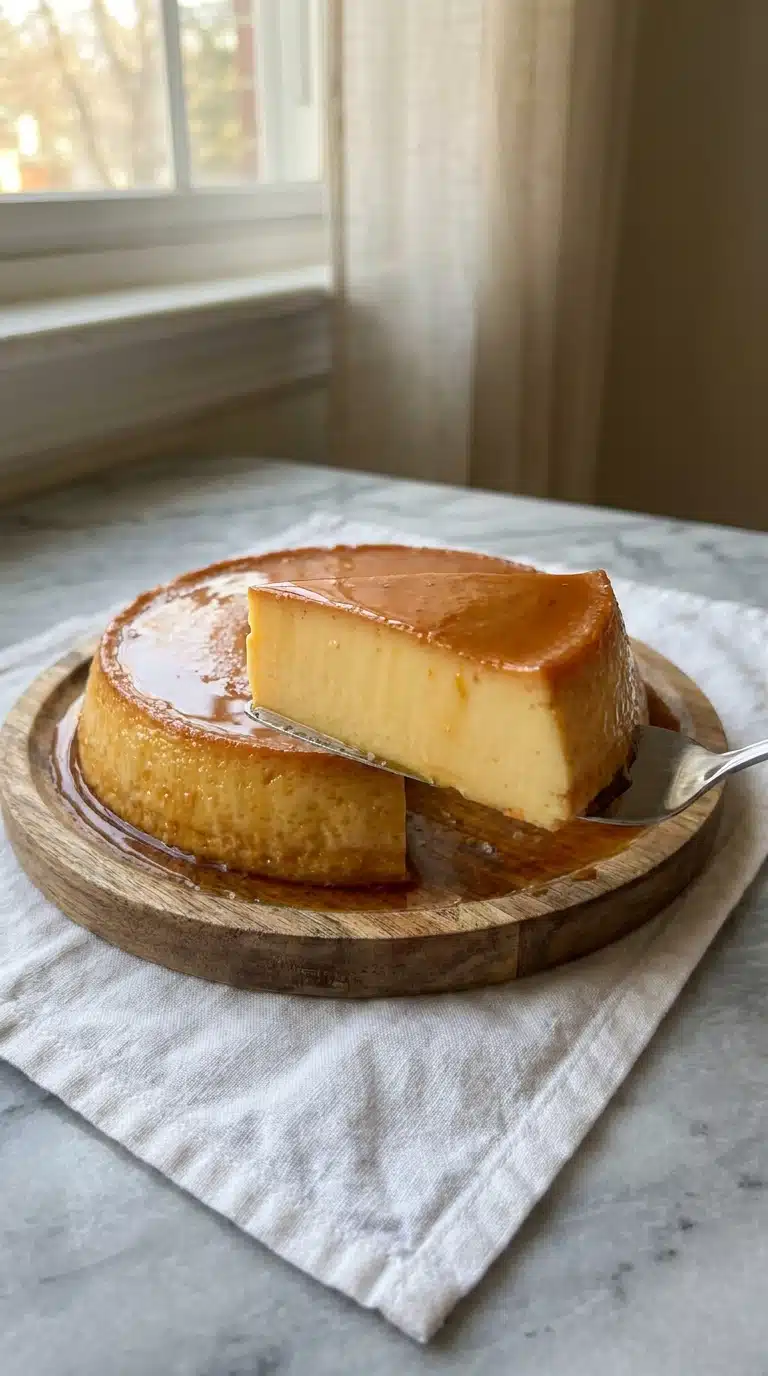
Creamy Powdered Milk Pudding transforms humble pantry staples into a silken, luxurious dessert that tastes like pure comfort. This isn’t your average custard. The addition of powdered milk creates an exceptionally dense, velvety texture that stands tall when sliced. Every bite offers a gentle sweetness and a rich, dairy-forward flavor that lingers pleasantly on the palate.
The Silky Appeal and Heritage of Creamy Powdered Milk Pudding
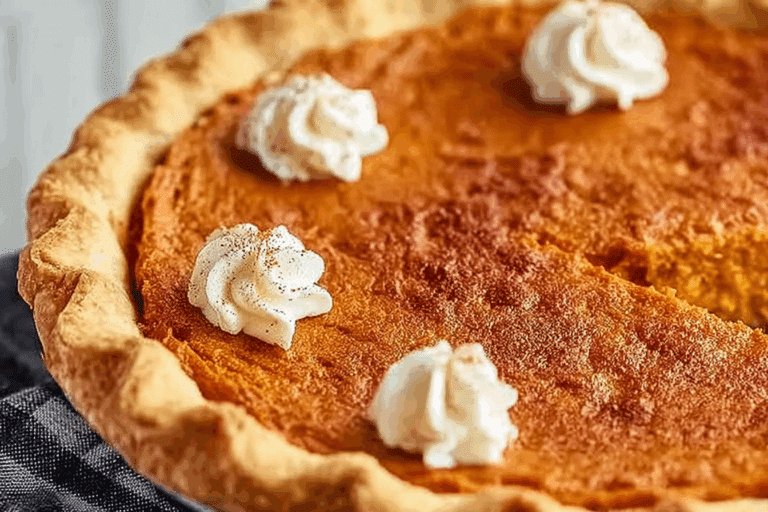
There’s something magical about the way simple eggs and milk metamorphose into a quivering, golden-topped pudding. The texture is firmer than flan yet softer than cake, creating that perfect spoonable resistance. When inverted, the caramel crown glistens invitingly against the creamy white body.
This style of milk pudding has roots in traditional European and Latin American custard traditions. Home cooks have long relied on powdered milk during times when fresh dairy was scarce, creating desserts that celebrated resourcefulness. Today, we embrace it not from necessity but for the unique body and richness it imparts.
Why Creamy Powdered Milk Pudding Deserves a Spot in Your Kitchen
You need this recipe in your collection because it delivers restaurant-quality results with minimal fuss. The ingredient list is short, but the outcome is spectacularly elegant.
Versatile: Serve it chilled for summer gatherings or warm with afternoon tea. It adapts to any season effortlessly.
Budget-Friendly: With just four basic ingredients, this dessert costs mere pennies per serving while tasting like a premium treat.
Quick and Easy: The active preparation takes less than twenty minutes before the oven does the heavy lifting.
Customizable: Adjust the sugar content or experiment with different milk fat percentages to suit your taste.
Crowd-Pleasing: Both children and adults gravitate toward its familiar, comforting flavor profile.
Make-Ahead Friendly: Prepare it a day ahead and let it chill overnight for the cleanest slices.
Great for Leftovers: It keeps beautifully in the refrigerator for up to five days without losing texture.
Chef’s Secrets and Essential Tools
Success lies in the details. Follow these insider tips to ensure your pudding releases perfectly and maintains its signature silky texture.
First, always blend the powdered milk thoroughly with the initial 500 ml of milk to prevent lumps. Second, temper your eggs by ensuring the blender doesn’t heat them prematurely. Third, never skip the water bath, as it prevents the eggs from curdling and cracking the surface. Fourth, allow the pudding to cool completely before attempting to unmold it.
You will need:
A blender: Essential for creating that perfectly homogenous base without streaks of egg white.
A 30cm mold: This specific size ensures the pudding cooks evenly in the given time.
Heavy-duty foil: To cover the mold during baking and prevent water from seeping in.
A large roasting pan: For creating the water bath that surrounds your mold with gentle, even heat.
A thin knife: For loosening the edges before inverting onto a serving plate.
Gathering Your Ingredients and Smart Swaps
Quality matters when the ingredient list is this concise. Fresh eggs and good-quality milk will shine through in the final flavor.
-
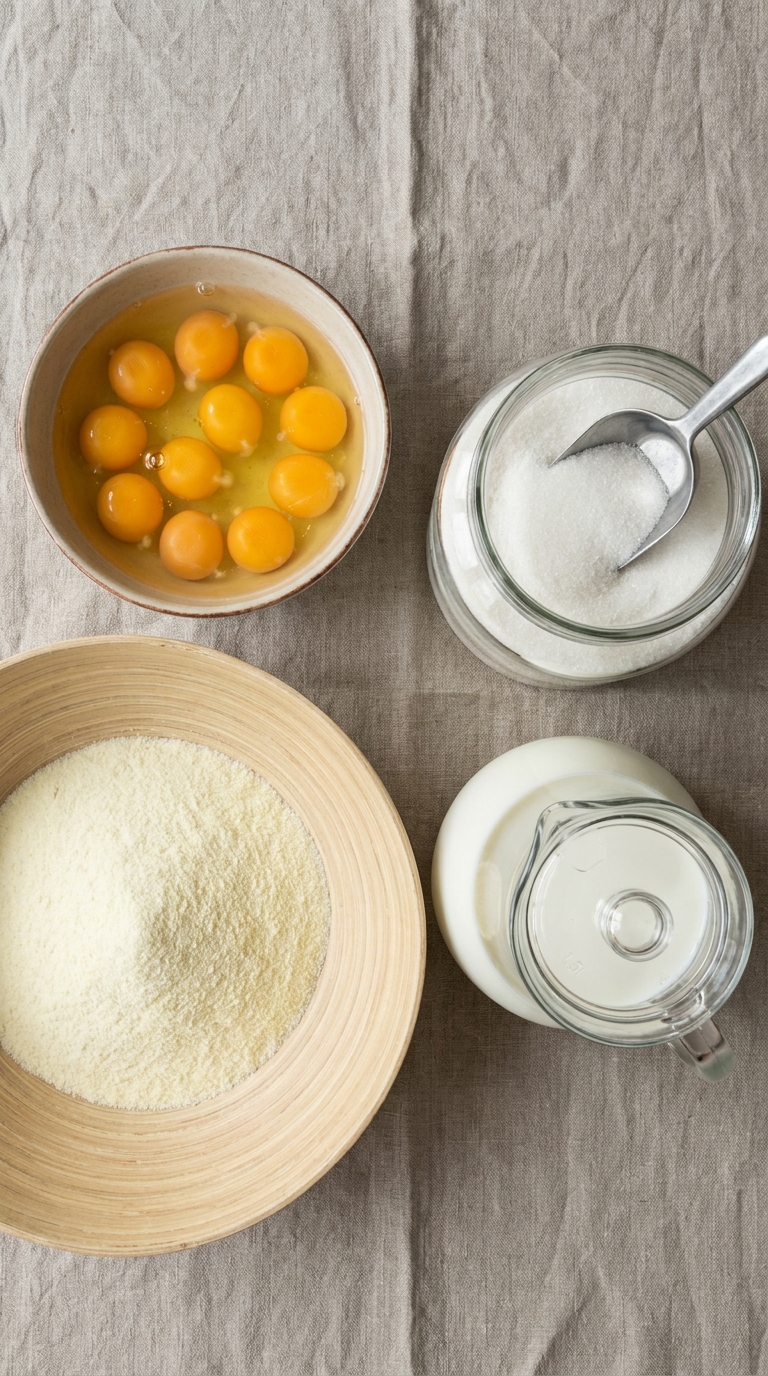
12 eggs: These provide the structure and richness. Use large, room-temperature eggs for the smoothest incorporation and best rise.
-
600 g sugar: This sweetens the custard and creates the caramel lining. Standard granulated sugar works perfectly for both purposes.
-
600 g powdered milk: The star ingredient that delivers an intensely creamy, dense texture unlike regular custard. It provides the signature flavor.
-
1.5 liters milk: Divided between blending and mixing, this hydrates the powder and thins the mixture to the perfect consistency.
Sugar: You may use white granulated or fine caster sugar interchangeably without affecting the final texture.
Milk: Whole milk produces the richest result, but semi-skimmed works if you prefer a lighter pudding. Avoid skim milk for this particular recipe.
Spotlight on the Stars
Powdered milk: This pantry hero does double duty, adding both dairy solids and a subtle cooked-milk sweetness. It eliminates excess water content, giving the pudding its characteristic firm yet tender slice.
Eggs: With a full dozen eggs, this recipe celebrates their binding power. They create the protein network that transforms liquid into a sliceable dessert.
Bringing Creamy Powdered Milk Pudding to Life
Now comes the transformative process where individual components become something greater. Take your time with each stage for the best results.
-
In a blender, combine the eggs, sugar, powdered milk, and 500 ml of milk; blend on low speed until combined. This initial blending phase ensures the powdered milk hydrates fully without creating a foamy mixture. Keep the speed low to minimize air bubbles, which can cause holes in your finished pudding.
-
Add the remaining 1 liter of milk and mix by hand until smooth. Switching to manual mixing prevents over-aeration and allows you to feel for any undissolved sugar granules. Stir gently but thoroughly, scraping the bottom to incorporate any settled powder.
-
Pour the mixture into a 30cm caramelized mold. The caramelized sugar coating creates that signature dark amber sauce that cascades over the pudding when inverted. Pour slowly to avoid disturbing the caramel layer.
-
Bake in a water bath at 160°C for approximately 1 hour and 30 minutes, or until set and firm. The water bath moderates the heat, preventing the eggs from scrambling. You’ll know it’s done when the center feels firm to the touch and a knife inserted comes out clean.
Success Strategies and Timing
Even simple recipes have pitfalls. Watch for these common issues to ensure perfection.
- Skipping the water bath: This causes the outer edges to cook too quickly while the center remains liquid. Always use hot water filled halfway up the mold.
- Over-blending: High speeds incorporate too much air, resulting in a spongy rather than creamy texture. Low and slow is the mantra.
- Under-caramelizing the mold: If the sugar coating is too light, the pudding won’t release cleanly. Aim for a deep amber color before adding the custard.
Prep Time: 15 minutes
Cook Time: 1 hour 30 minutes
Total Time: 1 hour 45 minutes
Nutritional Insights and Variations
Servings: 12 generous slices
Calories per serving: approximately 280
Note: These are approximate values based on whole milk calculations.
While the classic version is perfect, consider these twists:
- Lightened version: Use the minimum sugar and low-fat milk for a less rich dessert.
- Individual portions: Divide the mixture between ramekins, reducing the baking time by approximately 30 minutes.
- Extra-caramel finish: Create an additional caramel sauce using a portion of the provided sugar to serve alongside.
FAQ’s
Can I use a different size mold?
A smaller mold will result in a thicker pudding requiring longer baking time, while a larger one may cook faster but create a flatter dessert. Stick to 30cm for best results.
Why did my pudding crack on top?
Cracking usually indicates either too high an oven temperature or insufficient water in the bath. Ensure your oven is accurately calibrated to 160°C.
Can I reduce the number of eggs?
The structure relies on all twelve eggs. Reducing them will prevent the pudding from setting properly and maintaining its shape.
How do I know when it’s truly set?
The surface should spring back when lightly pressed, and the internal temperature should reach 85°C. It will continue to firm up as it cools.
Can I make this without a blender?
You can whisk vigorously, but achieving the smooth integration of powdered milk without lumps is significantly harder. A blender ensures the silky texture.
Why use powdered milk instead of all fresh milk?
Powdered milk concentrates the dairy solids, creating a denser, more satisfying texture than fresh milk alone could provide.
How long should I cool it before unmolding?
Allow it to cool to room temperature, then refrigerate for at least four hours or overnight. This resting period is crucial for clean slices.
Can I freeze leftovers?
Freezing is not recommended as it causes the egg proteins to weep upon thawing, creating a watery texture that ruins the smooth mouthfeel.
What if I don’t have a 30cm mold?
You can use two smaller molds, dividing the mixture evenly and checking for doneness at the one-hour mark.
Why mix the last liter of milk by hand?
Hand mixing prevents over-agitation, which can introduce air bubbles that ruin the smooth, creamy consistency of the final pudding.
Conclusion
Creamy Powdered Milk Pudding proves that extraordinary desserts don’t require exotic ingredients. With just eggs, sugar, milk, and powdered milk, you create something timeless and elegant. Trust me, you’re going to love this. The first time you invert that mold and watch the amber caramel cascade down the sides, you’ll understand why this recipe deserves a permanent place in your repertoire. It’s worth every minute of baking time.
PrintCreamy Powdered Milk Pudding
Creamy Powdered Milk Pudding transforms humble pantry staples into a silken, luxurious dessert that tastes like pure comfort.
- Prep Time: 15 minutes
- Cook Time: 1 hour 30 minutes
- Total Time: 1 hour 45 minutes
- Yield: 12 slices
- Category: Dessert
- Method: Baking
- Cuisine: European/Latin American
- Diet: Vegetarian
Ingredients
- 12 eggs
- 600 g sugar
- 600 g powdered milk
- 1.5 liters milk
Instructions
- In a blender, combine the eggs, sugar, powdered milk, and 500 ml of milk; blend on low speed until combined.
- Add the remaining 1 liter of milk and mix by hand until smooth.
- Pour the mixture into a 30cm caramelized mold.
- Bake in a water bath at 160°C for approximately 1 hour and 30 minutes, or until set and firm.
Notes
- Always blend the powdered milk thoroughly with the initial 500 ml of milk to prevent lumps.
- Never skip the water bath, as it prevents the eggs from curdling and cracking the surface.
- Allow the pudding to cool completely before attempting to unmold it.
- Keep blender speed low to avoid air bubbles that create a spongy texture.
- Aim for a deep amber color when caramelizing the mold for clean release.
Nutrition
- Serving Size: 1 slice
- Calories: 280