Spinach and Ricotta Gnudi
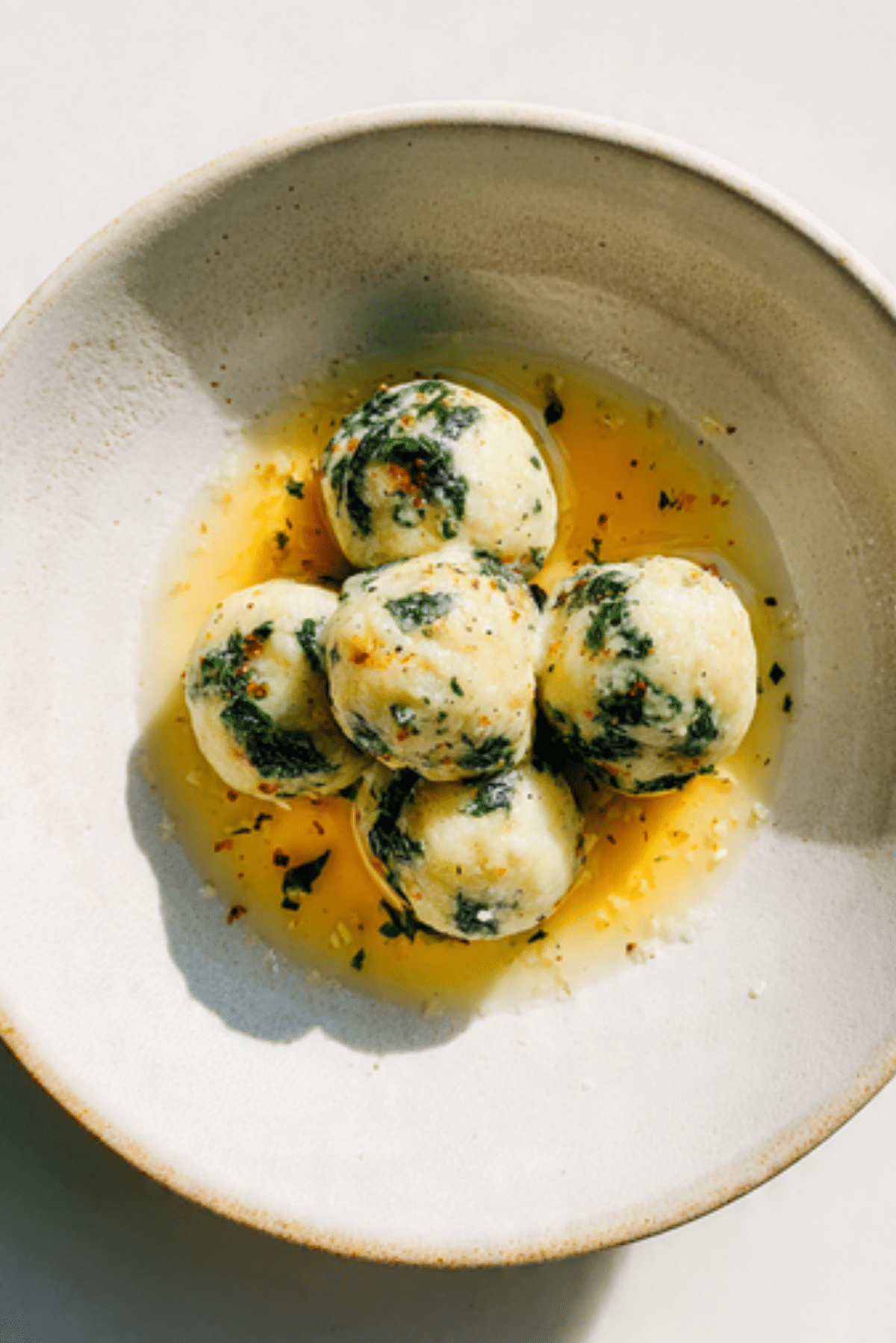
If you have ever dreamed of eating a cloud that tastes like the best parts of a classic lasagna, then you are in for a real treat. These spinach and ricotta gnudi are essentially “naked” ravioli, where the rich, savory filling is formed into delicate dumplings without the heavy pasta shell. They are incredibly light, almost weightless on the tongue, and they carry the flavors of fresh herbs and creamy cheese with an elegance that regular pasta just can’t match. The name gnudi comes from the Italian word for “naked,” and once you taste how perfectly these little pillows melt in your mouth, you will understand why they don’t need a doughy coat.
Trust me, you’re going to love this recipe because it brings a touch of Tuscan fine dining right into your own kitchen with surprisingly little effort. The combination of earthy spinach and mild, creamy ricotta is a timeless pairing that feels both healthy and indulgent at the same time. This one’s a total game changer for a romantic dinner or a quiet weekend meal, and let me tell you, it’s worth every bite. There is something so satisfying about the way the golden butter sauce pools around the soft gnudi, creating a dish that looks as beautiful as it tastes.
From the Heart of Tuscany to Your Table
The history of gnudi is deeply rooted in the rustic kitchens of Tuscany, specifically within the Mugello region. Originally, these were created by ingenious home cooks who had leftover ravioli filling but no more pasta dough to wrap it in. Rather than letting the precious ingredients go to waste, they rolled the mixture into small balls, dusted them with a bit of flour, and poached them in simmering water. Over time, what started as a clever way to use leftovers became a celebrated dish in its own right, prized for its lightness and purity of flavor. Today, gnudi are a staple in high end Italian trattorias, representing the peak of simple, ingredient driven Mediterranean cooking.
Why This Gnudi Recipe is a Culinary Triumph
Choosing to make gnudi is a sign of a cook who appreciates the beauty of simplicity and the power of high quality dairy. It is a dish that feels incredibly special without requiring hours of labor at a pasta machine.
Versatile: You can serve these as a stunning appetizer or a light main course, and they work beautifully with various seasonal sauces.
Budget-Friendly: The main components are humble spinach and cheese, making this an affordable way to enjoy a gourmet style meal.
Quick and Easy: Unlike traditional gnocchi or ravioli, there is no kneading or rolling of heavy dough involved in this process.
Customizable: You can add a pinch of nutmeg, some lemon zest, or even a little bit of crushed red pepper to the mixture to suit your personal taste.
Crowd-Pleasing: Their soft, delicate texture makes them a massive hit with anyone who appreciates authentic Italian flavors.
Make-Ahead Friendly: You can prepare the mixture and shape the gnudi a few hours early, keeping them chilled until you are ready to boil them.
Great for Leftovers: While best enjoyed fresh, they can be gently reheated in a pan with a little extra butter the following day for a quick lunch.
Secrets to Achieving the Perfect Pillowy Texture
To ensure your gnudi remain as light as air rather than becoming heavy or rubbery, the most important step is moisture control. You must squeeze the cooked spinach until it is bone dry, as any excess water will ruin the delicate balance of the cheese mixture. Secondly, handle the dough as little as possible; over-mixing can develop the proteins in the cheese and flour, leading to a tough result. Finally, when you drop them into the boiling water, do it gently and only cook a few at a time. They will tell you when they are ready by floating gracefully to the surface, which usually happens in just a couple of minutes.
Essential Tools for Your Kitchen
- Fine Mesh Strainer: This is crucial for draining the ricotta and ensuring no extra liquid enters your mix.
- Large Clean Kitchen Towel: Use this to squeeze every single drop of moisture out of your cooked spinach.
- Slotted Spoon: Essential for gently lifting the delicate gnudi out of the boiling water without breaking them.
- Large Skillet: A wide pan allows you to toss the gnudi in the butter sauce without crowding them too much.
Ingredients You Will Need For Success
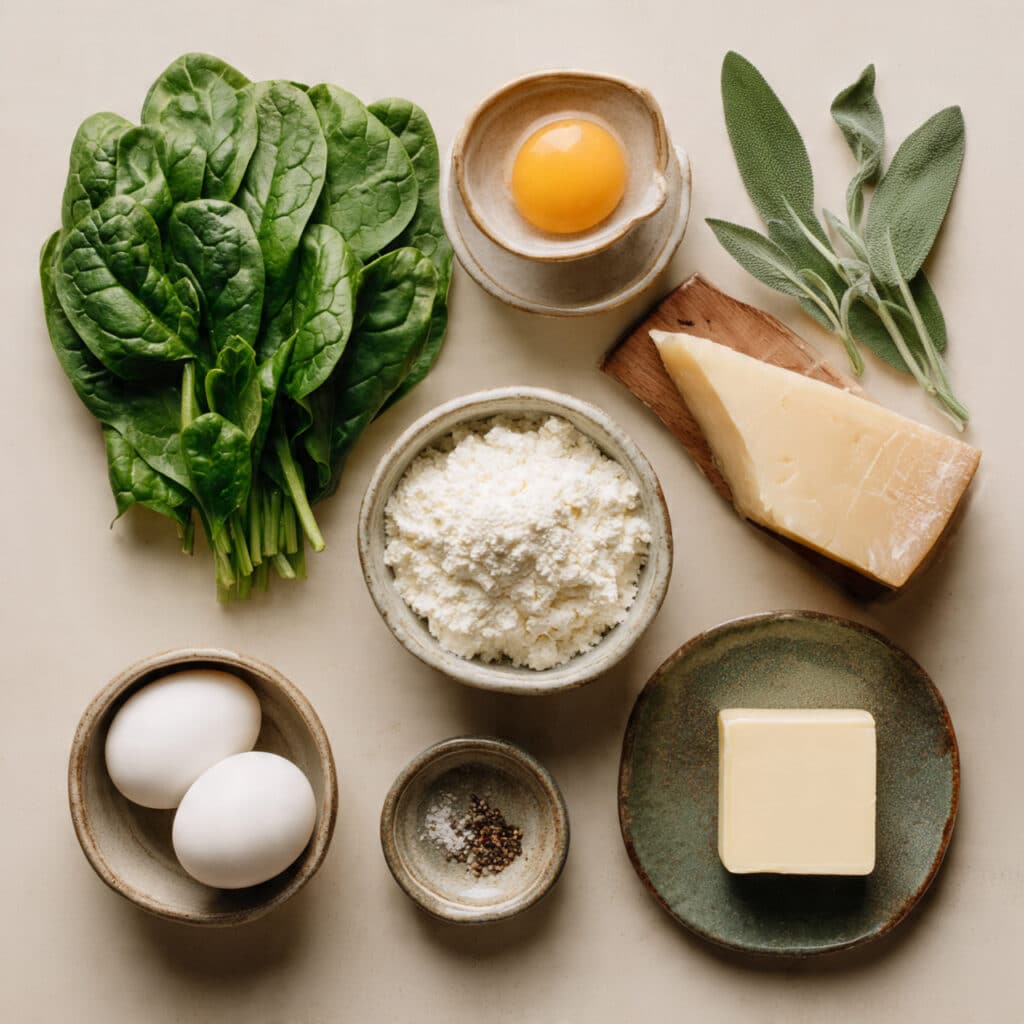
- Fresh Spinach: 10 ounces (285 grams) Use fresh leaves that are steamed and then squeezed very dry for the best color and flavor.
- Whole Milk Ricotta Cheese: 1 cup (250 grams) Higher fat content ensures a creamier, more stable dumpling that won’t fall apart.
- Parmesan Cheese: 1/2 cup (50 grams) Finely grated cheese adds the necessary saltiness and structure to the mixture.
- Large Egg: 1 unit A single egg acts as the primary binder to keep the “naked” filling together while cooking.
- All-Purpose Flour: 1/2 cup (65 grams) Just enough to hold the shape, plus a little extra for dusting your work surface.
- Unsalted Butter: 4 tablespoons (60 grams) This will be melted into a simple, luxurious sauce to coat the finished gnudi.
- Fresh Sage Leaves: 6 to 8 leaves Frying these in the butter adds a wonderful aromatic depth that pairs perfectly with spinach.
- Kosher Salt: 1/2 teaspoon Essential for seasoning the water and the cheese mixture to bring out all the flavors.
- Black Pepper: 1/4 teaspoon A small amount of freshly cracked pepper adds a subtle warmth to the creamy interior.
Flexible Ingredient Substitutions
Fresh Spinach: You can use frozen chopped spinach if necessary, just make sure it is completely thawed and squeezed extremely dry.
Ricotta Cheese: If you cannot find good ricotta, a very well drained cottage cheese that has been pulsed in a blender can work as a substitute.
Parmesan Cheese: Pecorino Romano is a fantastic alternative if you prefer a sharper, saltier kick to your dumplings.
Fresh Sage: If sage isn’t your favorite, fresh basil or even a little bit of lemon zest and cracked black pepper in the butter is equally delicious.
Spotlight on Key Ingredients
Ricotta Cheese: This is the soul of the dish, providing the creamy, mild base that allows the other flavors to shine.
Fresh Spinach: Not just for nutrition, the spinach gives the gnudi their beautiful green marbling and an earthy, garden fresh taste.
Welcome to the Cooking Process
Let’s head to the stove and start creating these Italian masterpieces. The key here is a gentle hand and a bit of patience during the shaping process.
- Preheat Your Equipment: Bring a large pot of salted water to a gentle simmer over medium high heat.
- Combine Ingredients: In a medium bowl, mix the very dry chopped spinach, ricotta, parmesan, egg, salt, and pepper until just combined.
- Prepare Your Cooking Vessel: Fold in the flour gently until a soft, slightly sticky dough forms, being careful not to over-work it.
- Assemble the Dish: Using floured hands, roll the mixture into small, walnut sized ovals and place them on a floured baking sheet.
- Cook to Perfection: Drop the gnudi into the simmering water in batches; they are done once they float to the top, which takes about 2 to 3 minutes.
- Finishing Touches: While the gnudi boil, melt the butter in a skillet with the sage leaves until the butter is foamy and the sage is fragrant.
- Serve and Enjoy: Use a slotted spoon to transfer the gnudi directly into the butter sauce, toss very gently to coat, and serve immediately with extra parmesan.
A Symphony of Texture and Flavor
The first thing you will notice is how the gnudi almost disappear on your tongue, leaving behind a rich trail of creamy ricotta and savory parmesan. The spinach adds a lovely texture and a fresh, grassy note that cuts through the richness of the butter sauce. The fried sage leaves provide a crispy, herbal contrast that rounds out the entire experience. It is a sophisticated dance of flavors that feels incredibly light despite the indulgent ingredients.
Helpful Cooking Tips and Tricks
- If the dough feels too sticky to handle, chill it in the refrigerator for 30 minutes before rolling.
- Do not let the water reach a rolling boil; a gentle simmer is necessary so the turbulent water doesn’t break the delicate gnudi apart.
- Always do a “test” gnudi first to make sure it holds together in the water; if it falls apart, stir in one more tablespoon of flour into the rest of the mix.
Common Pitfalls and How to Fix Them
- Gnudi Falling Apart: This is almost always due to too much moisture in the spinach or ricotta. Add a tiny bit more flour to the mix to save the batch.
- Tough Gnudi: This happens from over-mixing or adding too much flour. Remember, the goal is to use the absolute minimum amount of flour needed to hold them together.
- Bland Flavor: Ensure your pasta water is well salted, as this is the only time the interior of the gnudi gets seasoned from the outside.
Nutrition Facts
Servings: 4
Calories per serving: 310
Note: These are approximate values.
Preparation Time
Prep Time: 30 minutes
Cook Time: 10 minutes
Total Time: 40 minutes
Make-Ahead and Storage Tips
You can shape the gnudi and keep them on a floured tray in the fridge for up to 4 hours before cooking. If you need to store them longer, they can be frozen on the tray and then transferred to a bag; cook them directly from frozen by adding a minute to the boil time. Leftovers can be kept in an airtight container for 2 days, but they are best eaten immediately to maintain their cloud like texture.
How to Serve
Serve these gnudi in shallow bowls with a generous spoonful of the sage butter poured over the top. A side of lightly dressed arugula or some roasted cherry tomatoes provides a bright acidity that complements the creamy dumplings beautifully.
Creative Leftover Transformations
If you have a few left over, they are wonderful when sliced in half and pan fried until the cut sides are golden and crispy. Serve them over a bed of warm tomato sauce for a completely different meal the next day.
Additional Tips for Success
For the most authentic experience, try to find “Ricotta di Bufala” or a high quality sheep’s milk ricotta. The depth of flavor in artisanal cheese will take this simple dish to an entirely different level of excellence.
Make It a Showstopper
Garnish the final plate with a few extra shavings of high quality Parmesan and a tiny sprinkle of lemon zest. The bright yellow zest against the green gnudi and golden butter makes for a professional, restaurant quality presentation.
Variations to Try
- Lemon and Black Pepper Gnudi: Skip the sage and use plenty of fresh lemon zest and cracked black pepper in the butter sauce for a zesty finish.
- Tomato Basil Gnudi: Serve the boiled gnudi over a simple, fresh pomodoro sauce instead of the butter and sage.
- Mushroom Gnudi: Sauté some thinly sliced cremini mushrooms in the butter before adding the gnudi for an extra earthy depth.
FAQ’s
- What is the difference between gnocchi and gnudi?
Gnocchi are typically made with potato and flour, while gnudi are made with ricotta and spinach, resulting in a much lighter texture. - Can I use frozen spinach?
Yes, just ensure it is completely thawed and squeezed extremely dry using a kitchen towel. - Do I have to use an egg?
The egg is the main binder that keeps the “naked” filling together, so it is highly recommended for success. - Why are my gnudi gummy?
This usually means too much flour was used or the dough was over-worked. - Can I make these gluten free?
Yes, a good quality gluten free all-purpose flour blend works quite well in this recipe. - How do I know the water is the right temperature?
Look for small bubbles rising consistently, but not the violent bubbles of a full boil. - Is it okay if the gnudi aren’t perfect spheres?
Absolutely, the rustic, slightly irregular shape is part of their authentic charm. - Can I use low fat ricotta?
It is not recommended as it contains more moisture and less structural fat, which can cause the gnudi to fall apart. - How many gnudi should I serve per person?
Usually, 6 to 8 gnudi make a satisfying main course portion. - Can I add meat to the mixture?
It is best to keep these vegetarian to maintain their signature lightness, but you could serve them alongside a protein if desired.
Conclusion
Creating spinach and ricotta gnudi is a beautiful way to slow down and enjoy the art of Italian cooking. These delicate, flavorful pillows are a testament to how simple ingredients, handled with care, can transform into something truly extraordinary. Whether it is your first time making them or your tenth, the magic of that first melt in your mouth bite never fades.
PrintSpinach and Ricotta Gnudi
Light and airy Italian dumplings made from creamy ricotta and fresh spinach, served in a classic browned butter and sage sauce.
Ingredients
- 10 ounces (285 grams) fresh spinach, cooked and squeezed dry
- 1 cup (250 grams) whole milk ricotta cheese, drained
- 1/2 cup (50 grams) Parmesan cheese, finely grated
- 1 large egg
- 1/2 cup (65 grams) all-purpose flour, plus extra for dusting
- 4 tablespoons (60 grams) unsalted butter
- 6 to 8 fresh sage leaves
- 1/2 teaspoon kosher salt
- 1/4 teaspoon black pepper
Instructions
- Finely chop the cooked, dry spinach and place it in a medium bowl.
- Add the ricotta, parmesan, egg, salt, and pepper; mix until well combined.
- Gently fold in the flour until a soft, slightly sticky dough forms.
- Roll the mixture into small walnut-sized ovals using floured hands and place on a floured surface.
- Bring a large pot of salted water to a gentle simmer.
- Cook the gnudi in batches by gently dropping them into the water; they are ready once they float to the surface (about 2-3 minutes).
- While they cook, melt the butter in a large skillet over medium heat with the sage leaves until fragrant and slightly browned.
- Use a slotted spoon to transfer the cooked gnudi directly into the skillet.
- Gently toss to coat in the sage butter and serve immediately.
Notes
- The spinach must be squeezed extremely dry to prevent the gnudi from falling apart.
- Avoid a rolling boil; a gentle simmer prevents the delicate dumplings from breaking.
- Drain the ricotta in a fine-mesh strainer for 30 minutes if it appears watery.