Sheet Pan Honey Mustard Salmon
There is something deeply satisfying about a meal that looks elegant enough for a dinner party but takes less than thirty minutes to pull together. This Sheet Pan Honey Mustard Salmon is the ultimate weeknight savior, combining the rich, buttery flavor of fresh salmon with a tangy and sweet glaze that caramelizes beautifully in the oven. Everything cooks together on a single tray, meaning you spend less time scrubbing pots and more time enjoying a healthy, high-protein dinner. Trust me, you’re going to love this recipe for its vibrant colors and the way the honey mustard cuts through the richness of the fish.
The Magic of the Single Tray Meal
The sheet pan method has revolutionized home cooking by allowing different ingredients to roast in harmony, sharing flavors while minimizing cleanup. By placing the salmon alongside quick-cooking vegetables, you create a complete, balanced meal with very little effort. The high heat of the oven helps to render the fat in the salmon, keeping the meat incredibly moist while the edges of the glaze turn into a sticky, savory crust. It is a total game-changer for anyone who wants to eat well without the stress of managing multiple pans on the stove.
Why This Salmon Recipe Is a Total Game-Changer
When you need a reliable dish that delivers on both nutrition and flavor, this is the one you turn to. It brings a restaurant-quality experience to your dining table with just a few pantry staples.
Versatile: You can serve this salmon with roasted asparagus, green beans, or even a side of fluffy quinoa to soak up the extra glaze.
Budget-Friendly: Buying a large side of salmon and portioning it yourself is a cost-effective way to enjoy high-quality protein.
Quick and Easy: From prep to table, this entire meal takes about twenty-five minutes, making it perfect for busy schedules.
Customizable: You can adjust the sweetness of the glaze or add a pinch of chili flakes if you prefer a bit of heat with your fish.
Crowd-Pleasing: The sweet and tangy flavor profile is a hit with both kids and adults, making it a safe bet for family dinners.
Make-Ahead Friendly: You can whisk the glaze together in the morning and keep it in the fridge until you are ready to roast.
Great for Leftovers: Cold honey mustard salmon is delicious flaked over a fresh garden salad for a quick and healthy lunch the next day.
Master the Glaze for a Perfect Finish
To get that beautiful caramelized look, it is important to generously coat the top of each fillet before it goes into the oven. The honey provides the sugar needed for browning, while the mustard adds body and prevents the glaze from being too thin. Another expert tip is to use a meat thermometer to ensure the salmon reaches an internal temperature of 145 degrees Fahrenheit. This one’s a total game-changer for preventing dry fish and ensuring every bite is succulent and tender.
Essential Tools for Your Kitchen
Preparation is smooth and efficient when you have these basic tools ready on your counter.
Large Rimmed Baking Sheet: Provides enough surface area for the salmon and vegetables to spread out and roast evenly.
Parchment Paper: Essential for preventing the honey glaze from sticking to the pan and making cleanup a breeze.
Small Whisk: Perfect for emulsifying the honey, mustard, and oil into a smooth, thick glaze.
Pastry Brush: Ideal for painting the glaze onto the salmon fillets to ensure every inch is covered in flavor.
Ingredients You Will Need For This Recipe
The success of this dish lies in the balance of the tangy mustard and the floral sweetness of the honey.
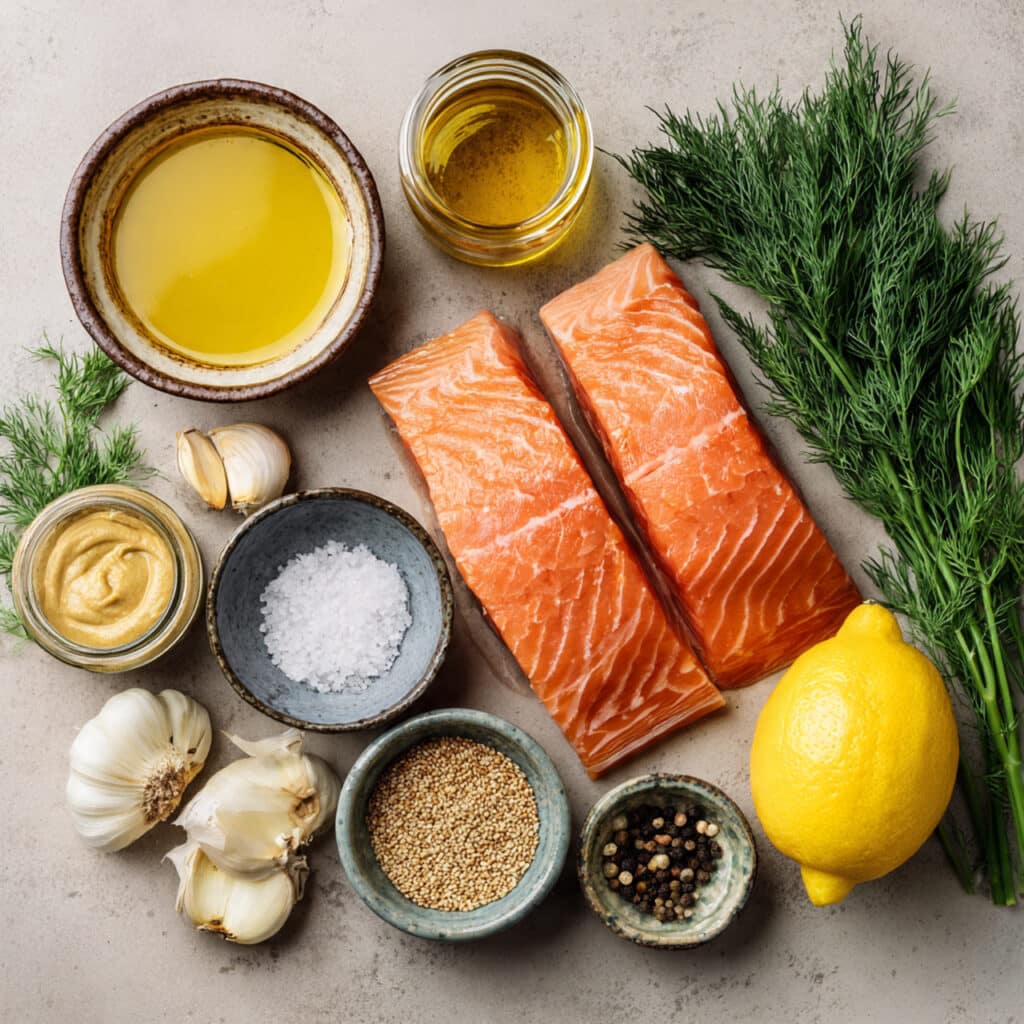
- Salmon Fillets: 4 portions (6 ounces each). Choose fresh, bright pink fillets with the skin on for the best flavor and texture.
- Honey: 3 tablespoons. This provides the sweetness and helps create that beautiful sticky crust.
- Dijon Mustard: 2 tablespoons. Adds a sophisticated tang and a creamy texture to the glaze.
- Whole Grain Mustard: 1 tablespoon. Provides a lovely visual texture and a pop of mustard seed flavor.
- Extra Virgin Olive Oil: 2 tablespoons. Helps the glaze spread evenly and keeps the salmon moist during roasting.
- Fresh Lemon Juice: 1 tablespoon. Adds a necessary hit of acidity to brighten the entire dish.
- Garlic Cloves: 2 cloves. Minced finely to provide a savory, aromatic base for the honey mustard.
- Fresh Dill: 2 tablespoons. Chopped finely for a fresh, herbal finish that pairs perfectly with seafood.
- Sea Salt: 1/2 teaspoon. Essential for seasoning the fish and balancing the sweetness of the honey.
- Black Pepper: 1/4 teaspoon. Adds a gentle warmth to the glaze.
Flexible Ingredient Substitutions
If you find yourself missing an item, there are easy ways to adapt this recipe to fit your pantry.
Honey: Maple syrup or agave nectar. Dijon Mustard: Yellow mustard or spicy brown mustard for more kick. Fresh Dill: Fresh parsley or chives. Salmon Fillets: Steelhead trout or even thick cod fillets.
Key Ingredients Spotlight
Dijon Mustard: This ingredient is the secret to a professional-tasting glaze, offering a sharp, vinegary bite that balances the rich fats in the salmon.
Fresh Dill: The feathery leaves of dill provide a classic, cooling herbal note that elevates the fish and makes the dish feel incredibly fresh.
Step into the Cooking Process
Let’s get this tray into the oven and transform these fillets into a glistening, golden masterpiece.
- Preheat Your Equipment: Set your oven to 400 degrees Fahrenheit and line your large baking sheet with parchment paper.
- Combine Ingredients: In a small bowl, whisk together the honey, both mustards, olive oil, lemon juice, minced garlic, salt, and pepper.
- Prepare Your Cooking Vessel: Place the salmon fillets on the prepared baking sheet, leaving space between each piece.
- Assemble the Dish: Use a pastry brush to apply a thick layer of the honey mustard glaze over the top and sides of each salmon fillet.
- Cook to Perfection: Roast in the center of the oven for 12 to 15 minutes, depending on the thickness of your fillets.
- Finishing Touches: Remove from the oven and immediately sprinkle with the fresh chopped dill and a few extra lemon wedges.
- Serve and Enjoy: Transfer the salmon to plates and serve alongside your favorite roasted vegetables for a complete meal.
A Symphony of Texture and Flavor
Each bite of this salmon offers a wonderful contrast between the sweet, sticky exterior and the tender, buttery meat inside. The mustard provides a savory depth that lingers on the palate, while the lemon and dill add a bright, refreshing finish. Let me tell you, it’s worth every bite when you find that perfect section of the fillet where the glaze has caramelized into a deep amber color.
Helpful Cooking Tips and Tricks
- Leave the skin on the salmon while roasting; it helps protect the delicate meat from the high heat of the pan.
- If you like a bit of crunch, you can sprinkle some crushed pecans or gluten-free breadcrumbs over the glaze before baking.
- For a truly one-pan meal, toss some thin asparagus spears in olive oil and salt and place them on the pan right next to the salmon.
Common Mistakes to Avoid
- Don’t overcook the salmon: Fish continues to cook for a minute after it comes out of the oven, so pull it out when it is just slightly translucent in the center.
- Avoid using cold fish: Let the salmon sit at room temperature for ten minutes before roasting to ensure it cooks evenly.
- Don’t forget the parchment paper: The honey in the glaze will stick and burn on a bare pan, making cleanup very difficult.
Approximate Nutrition Facts
Servings: 4
Calories per serving: 320
Note: These are approximate values.
Timing Your Masterpiece
Prep Time: 10 minutes
Cook Time: 15 minutes
Total Time: 25 minutes
Make-Ahead and Storage Tips
This salmon is best enjoyed fresh from the oven, but you can store leftovers in an airtight container for up to two days. To reheat, place the salmon in a 300-degree oven for a few minutes until just warmed through. Avoid the microwave, as it can quickly turn the delicate fish rubbery and dry.
How to Serve
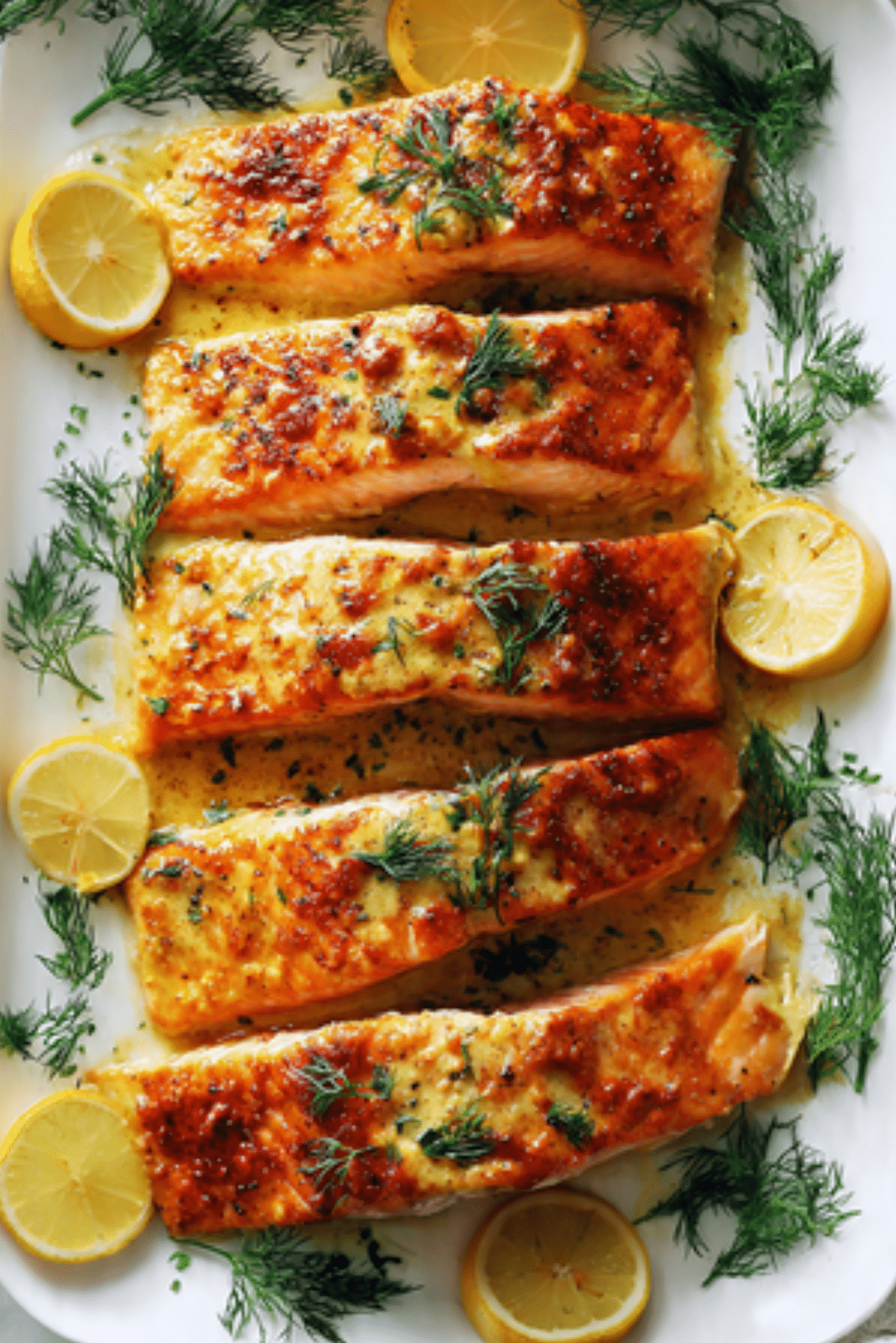
This dish looks beautiful when served on a simple white platter with lemon slices tucked between the fillets. It pairs excellently with a side of roasted baby potatoes or a crisp cucumber salad to provide a refreshing contrast to the warm, glazed fish.
Creative Leftover Transformations
If you have a leftover fillet, flake it into large chunks and toss it with some gluten-free pasta, olive oil, and extra fresh herbs for a quick lunch. You can also use the cold salmon to make a high-protein breakfast by serving it over a piece of toasted gluten-free bread with a slice of avocado.
Additional Tips for Success
Be sure to pat the salmon dry with a paper towel before applying the glaze; this ensures the sauce sticks to the fish rather than sliding off. If the glaze seems too thick, you can add a tiny splash of water or more olive oil to reach the perfect brushing consistency.
Make It a Showstopper
Garnish the final platter with some edible flowers or very thin rounds of red radish for a pop of color. A final drizzle of high-quality honey right before serving can add a beautiful shine and an extra layer of sweetness that will impress your guests.
Variations to Try
- Spicy Honey Mustard: Add a teaspoon of Sriracha or red pepper flakes to the glaze for a sweet and spicy kick.
- Orange Mustard: Replace the lemon juice with orange juice and add a bit of orange zest for a citrusy twist.
- Herb Crust: Mix some chopped rosemary and thyme into the glaze for a more earthy, savory flavor profile.
- Smoky Salmon: Add a pinch of smoked paprika to the honey mustard for a subtle outdoor-grilled taste.
FAQ’s
- Can I use frozen salmon? Yes, but make sure it is completely thawed and patted dry before you begin the recipe.
- Is this recipe dairy-free? Yes, this recipe is naturally dairy-free as it uses olive oil and honey for the glaze.
- How do I know when the salmon is done? The meat should be opaque and flake easily with a fork, or reach an internal temperature of 145 degrees.
- Can I use a different type of fish? Arctic char or trout are excellent substitutes that have a similar fat content to salmon.
- Why did my glaze burn? The oven might be too hot or the pan might have been placed too close to the top heating element.
- Do I eat the skin? That is a personal preference! Many people enjoy the flavor, but the meat should easily slide off the skin once cooked.
- Is this recipe gluten-free? Yes, as long as your mustards are certified gluten-free, this dish is perfectly safe for a gluten-free diet.
- Can I make this in an air fryer? Absolutely; air fry at 380 degrees for about 8 to 10 minutes depending on thickness.
- What if I don’t have fresh dill? Fresh parsley or even a bit of green onion can work as a substitute garnish.
- How do I stop the salmon from sticking? Using parchment paper is the most reliable way to prevent sticking.
Conclusion
Sheet Pan Honey Mustard Salmon is proof that a healthy dinner doesn’t have to be complicated or time-consuming. With its vibrant glaze and tender, flaky texture, it is a meal that satisfies the palate while providing plenty of nutrients. Whether you are a seasoned cook or just starting out, this foolproof method ensures success every single time. Go ahead and grab some fresh salmon and get roasting — your kitchen is going to smell incredible, and your family will definitely thank you for it!
PrintSheet Pan Honey Mustard Salmon
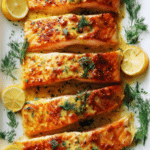
Succulent salmon fillets coated in a sweet and tangy honey mustard glaze, roasted to perfection on a single sheet pan for an easy and elegant meal.
Ingredients
- Salmon Fillets: 4 portions (6 ounces each)
- Honey: 3 tablespoons
- Dijon Mustard: 2 tablespoons
- Whole Grain Mustard: 1 tablespoon
- Extra Virgin Olive Oil: 2 tablespoons
- Fresh Lemon Juice: 1 tablespoon
- Garlic Cloves: 2 cloves
- Fresh Dill: 2 tablespoons
- Sea Salt: 1/2 teaspoon
- Black Pepper: 1/4 teaspoon
Instructions
- Preheat oven to 400°F (204°C) and line a baking sheet with parchment paper.
- Whisk together the honey, Dijon mustard, whole grain mustard, olive oil, lemon juice, minced garlic, salt, and pepper in a small bowl.
- Place salmon fillets on the baking sheet and pat dry with paper towels.
- Brush the honey mustard glaze generously over the top and sides of each fillet.
- Roast for 12 to 15 minutes or until the internal temperature reaches 145°F (63°C) and the fish flakes easily.
- Garnish with fresh dill and extra lemon wedges before serving.
Notes
- Leave the skin on the salmon to protect the meat while roasting.
- Pat the fish dry before glazing so the sauce sticks perfectly.
- Use parchment paper for easy cleanup of the sticky honey glaze.