Olive Oil-Fried Egg
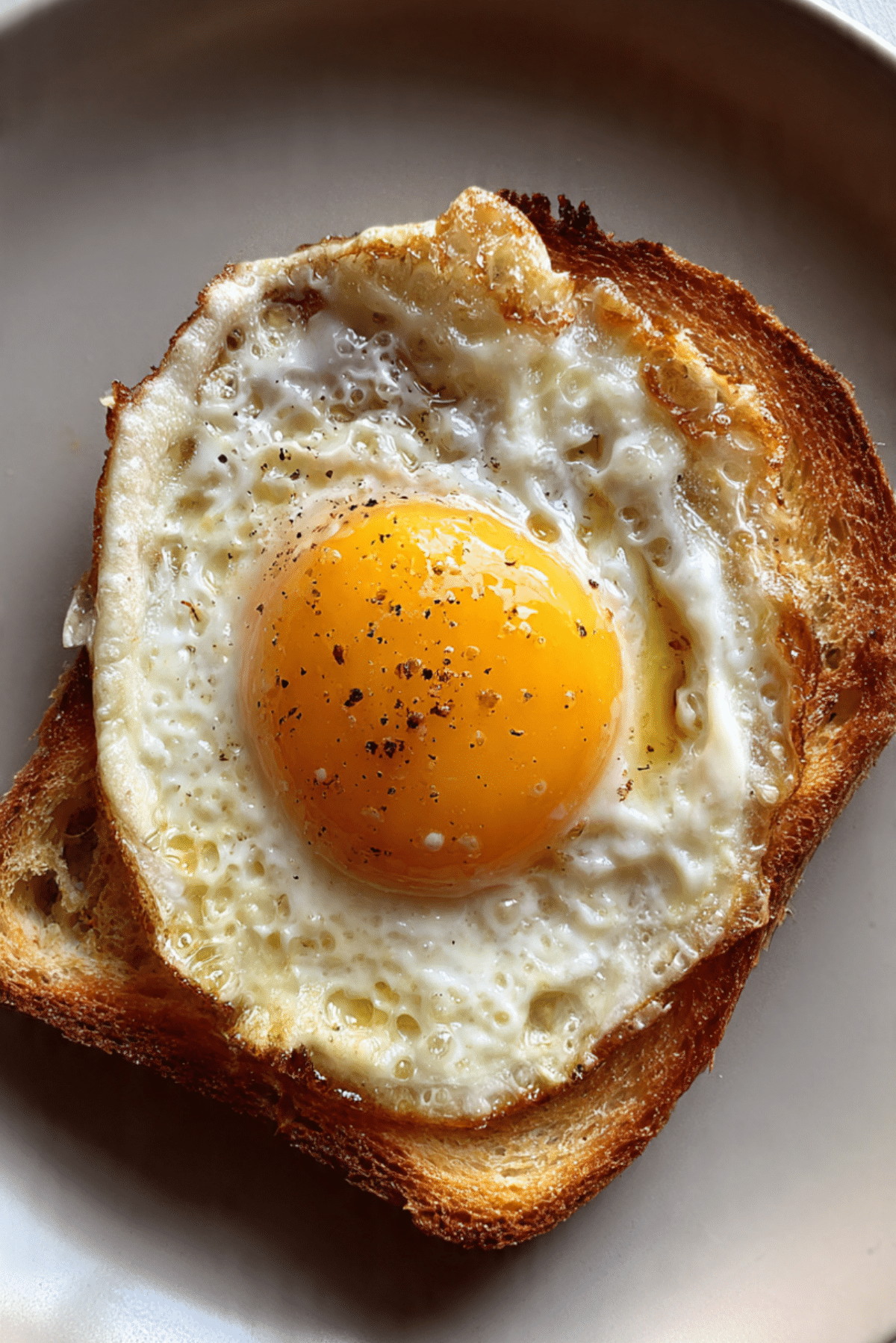
There’s something incredibly satisfying about a perfectly fried egg, and when you cook it in olive oil, you get that extra richness and depth of flavor. The crispy edges, the silky yolk, and the healthy touch of olive oil come together for a simple yet delicious dish. Whether you’re adding it to toast or serving it alongside other dishes, this olive oil-fried egg will elevate your breakfast or brunch experience.
Why You’ll Love This Recipe
Frying eggs in olive oil adds a wonderful richness and a hint of fruity flavor that makes a regular fried egg feel special. It’s easy, quick, and incredibly versatile—perfect for any meal of the day. Plus, olive oil is full of healthy fats, making this a guilt-free way to indulge in a fried egg.
Recipe Origin or Trivia
Frying eggs in olive oil is common in Mediterranean cuisine, where olive oil is a staple in cooking. Known for its health benefits and rich flavor, olive oil enhances the natural taste of eggs, making them even more delicious. It’s a simple yet flavorful twist on the classic fried egg.
Why This Recipe Works
Olive oil not only provides a light, crisp texture to the egg but also adds a subtle depth of flavor. The egg white becomes perfectly crispy on the edges while the yolk remains rich and creamy. The olive oil’s health benefits make it a better option compared to other frying oils, offering a tasty, nutritious way to prepare eggs.
Versatile:
This fried egg is perfect on toast, in a sandwich, or as a topping for grain bowls or salads.
Budget-Friendly:
Eggs and olive oil are affordable ingredients that create a satisfying meal.
Quick and Easy:
This recipe comes together in just a few minutes, making it ideal for busy mornings.
Customizable:
Add a sprinkle of herbs or spices to the egg to customize the flavor to your liking.
Crowd-Pleasing:
Everyone loves a perfectly fried egg, and cooking it in olive oil gives it a sophisticated twist.
Make-Ahead Friendly:
You can fry the eggs ahead of time and store them in the fridge for later use.
Great for Leftovers:
Leftover fried eggs can be added to sandwiches, salads, or even wrapped in a tortilla for a quick meal.
Expert Tips for Perfect Olive Oil-Fried Eggs
- Use a non-stick skillet – This ensures the egg doesn’t stick and makes flipping easier.
- Low to medium heat – Cooking eggs on high heat can make the whites too crispy and overcooked, while low heat gives you that perfect balance.
- Don’t overcrowd the pan – Fry one egg at a time to ensure it cooks evenly and gets a crispy edge.
Essential Kitchen Tools
Here’s what you’ll need to make an Olive Oil-Fried Egg:
Non-stick skillet:
A non-stick surface is perfect for frying eggs and ensures a clean, easy release.
Spatula:
A spatula is essential for flipping the egg without breaking the yolk.
Small bowl:
If you’re cracking your egg ahead of time, a small bowl is ideal for breaking the egg into before transferring it to the skillet.
Ingredients You Will Need For Olive Oil-Fried Egg
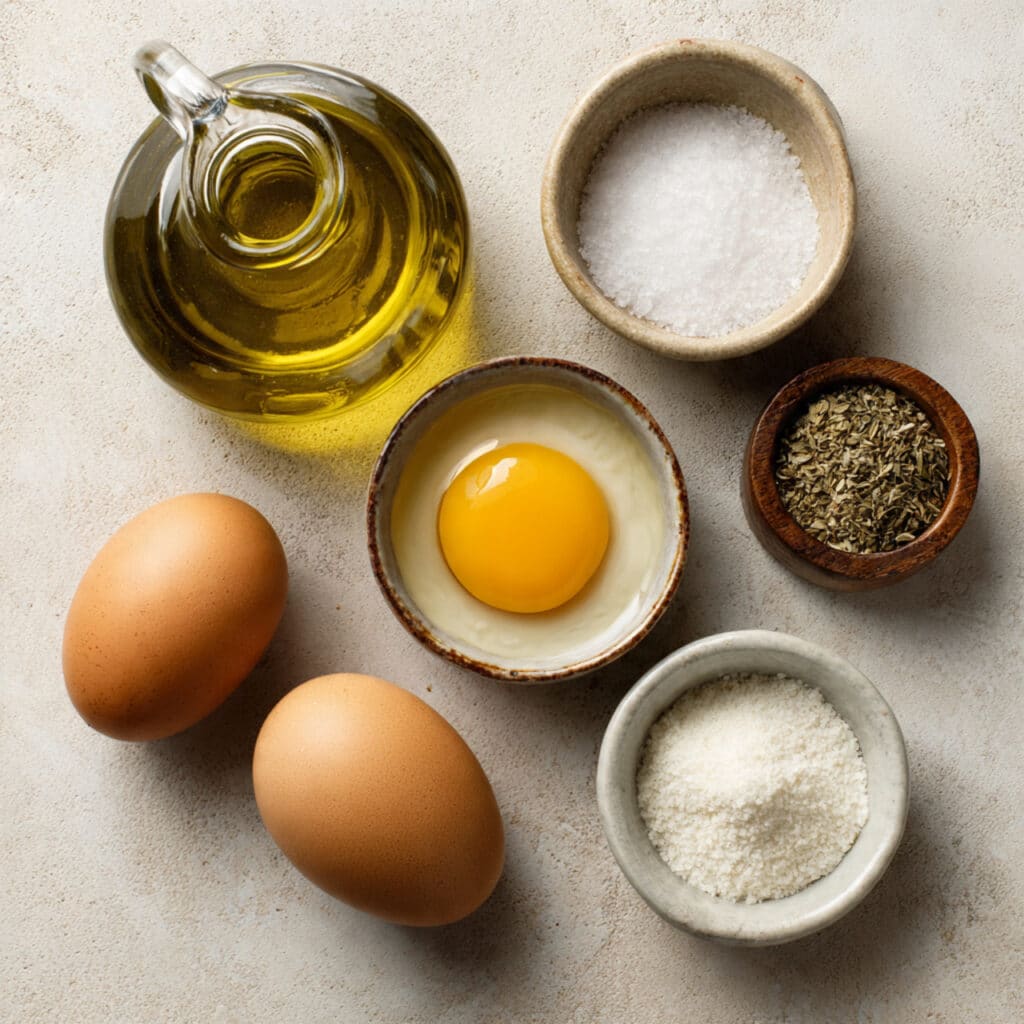
This recipe is straightforward and uses only a few ingredients, making it easy to prepare in minutes.
- Olive oil: 1-2 tablespoons – Provides richness and a smooth flavor to the fried egg.
- Egg: 1 large – The main ingredient of the recipe; choose a fresh, high-quality egg for the best results.
- Salt: Pinch – Enhances the natural flavor of the egg.
- Pepper: Pinch – Adds a slight kick to balance the richness of the olive oil.
Flexible Ingredient Substitutions
Here are some easy swaps if you want to make adjustments:
Olive oil: Butter or ghee – If you prefer a different flavor or want to use a dairy-based fat.
Egg: Egg substitute – For those avoiding eggs, you can try a plant-based egg substitute, though the texture and flavor will differ.
Salt and pepper: Seasoning mix – Feel free to use a seasoning blend like garlic powder or smoked paprika for extra flavor.
Key Ingredients Spotlight
Olive Oil:
Olive oil is a heart-healthy fat that adds rich flavor and a slightly fruity taste to the egg. It also gives the egg whites a crisp, golden texture.
Egg:
Eggs are an excellent source of protein and provide a creamy, rich yolk. They are the star of the recipe, with the olive oil enhancing their natural flavor.
Cooking Process
Frying an egg in olive oil is a simple yet rewarding process. Follow these easy steps for the perfect olive oil-fried egg:
Preheat Your Equipment:
Heat a non-stick skillet over low to medium heat. Add 1-2 tablespoons of olive oil, enough to coat the bottom of the pan.
Combine Ingredients:
While the skillet is heating, crack the egg into a small bowl to ensure it’s fresh and free of shell fragments.
Prepare Your Cooking Vessel:
Once the olive oil is hot (but not smoking), gently slide the egg into the skillet.
Assemble the Dish:
Let the egg cook undisturbed for 2-3 minutes, or until the whites are set but the yolk remains runny.
Cook to Perfection:
For a crispy edge, cook the egg a little longer. If you prefer your egg fully cooked, flip it gently with a spatula and cook for another 30 seconds to 1 minute.
Finishing Touches:
Once the egg is cooked to your liking, remove it from the skillet.
Serve and Enjoy:
Season with salt and pepper, and serve immediately on toast, in a bowl, or on its own as a quick snack.
Texture and Flavor Development
The olive oil gives the egg whites a beautifully crisp texture, while the yolk remains rich and creamy. The contrast between the crispy whites and the soft, runny yolk creates a satisfying bite, and the subtle flavor of the olive oil complements the egg perfectly.
Helpful Cooking Tips and Tricks
- For extra flavor, try adding a pinch of paprika, chili flakes, or fresh herbs like parsley or basil.
- If you prefer your egg well-done, cover the pan with a lid to trap steam and cook the egg faster.
- Experiment with different oils for unique flavor profiles, such as coconut oil for a tropical twist.
What to Avoid
- Cooking on high heat – This can burn the oil and make the egg whites too crispy.
- Not using enough oil – A dry pan will result in a sticky egg that is hard to remove.
- Overcooking the egg – If you prefer a runny yolk, keep an eye on the egg to prevent it from cooking too much.
Nutrition Facts
Servings: 1 egg
Calories per serving: 120
Note: These are approximate values.
Preparation Time
Prep Time: 1 minute
Cook Time: 3 minutes
Total Time: 4 minutes
Make-Ahead and Storage Tips
Fried eggs are best served fresh, but you can prepare the oil and get everything ready to cook for an even faster breakfast. If you have leftovers, store the egg in an airtight container in the fridge for up to 1 day, though the texture may change.
How to Serve
Serve your olive oil-fried egg on toast for a simple breakfast or alongside your favorite breakfast dishes. You can also top it with avocado, tomato, or a sprinkle of cheese for added flavor.
Creative Leftover Transformations
If you have leftover fried eggs, they can be added to sandwiches, salads, or grain bowls. You can even use them as a topping for burgers or ramen for an extra boost of protein and flavor.
Additional Tips
- For a crispy fried egg, try using a cast-iron skillet instead of a non-stick one.
- Add a touch of lemon juice for a fresh, zesty kick.
Make It a Showstopper
For an eye-catching presentation, serve the fried egg on a colorful plate with some fresh herbs or a sprinkle of chili flakes for a pop of color.
Variations to Try
- Spicy Fried Egg: Add hot sauce or chili flakes to the olive oil while cooking the egg for an extra spicy kick.
- Herb-Fried Egg: Sprinkle fresh herbs like chives or parsley on top of the egg before serving.
- Cheesy Fried Egg: Add a slice of cheese on top of the egg while it’s still cooking for a melted, gooey topping.
FAQ’s
Q1: Can I use butter instead of olive oil?
A1: Yes, you can use butter for a richer flavor, but the olive oil adds a healthier touch.
Q2: How do I cook a fried egg with a fully cooked yolk?
A2: Simply flip the egg once the whites are set and cook for another 30 seconds to 1 minute.
Q3: Can I make multiple fried eggs at once?
A3: Yes, but make sure to use a large skillet and give each egg enough space to cook properly.
Q4: How do I avoid breaking the yolk when flipping?
A4: Be gentle when flipping the egg with a spatula, or use a spoon to carefully lift it without disturbing the yolk.
Q5: Can I fry eggs in other oils?
A5: Yes, you can experiment with different oils like coconut oil, avocado oil, or even butter for unique flavors.
Q6: Can I make this egg dish vegan?
A6: You can use a plant-based egg substitute to make a vegan version of this recipe.
Q7: How long do fried eggs stay fresh?
A7: Fried eggs are best eaten fresh, but you can store them in the fridge for up to 1 day.
Q8: Can I add cheese to the fried egg?
A8: Yes, adding a slice of cheese to the egg while it cooks will create a gooey, melty topping.
Q9: How do I know when the egg is perfectly cooked?
A9: The egg white should be set with a golden crispy edge, and the yolk should remain runny unless you prefer a fully cooked yolk.
Q10: Can I serve the fried egg with something else?
A10: Yes! Try serving it with avocado, spinach, or even a side of bacon for a full breakfast meal.
Conclusion
The Olive Oil-Fried Egg is a simple yet flavorful dish that elevates any meal. Whether you’re enjoying it on toast, in a sandwich, or on its own, this easy recipe will quickly become a go-to breakfast or snack. Give it a try and experience the delicious combination of rich olive oil and creamy eggs!
PrintOlive Oil-Fried Egg

Fried eggs cooked in olive oil have a crispy edge and a creamy yolk that’s perfect on toast or as part of a full breakfast. This simple, quick recipe adds richness from the olive oil, making the classic fried egg even better.
Ingredients
- Olive oil: 1-2 tablespoons – Adds richness and flavor to the egg.
- Egg: 1 large – The star ingredient, providing creaminess and texture.
- Salt: Pinch – Enhances the natural flavor of the egg.
- Pepper: Pinch – Adds a slight kick to balance the richness of the olive oil.
Instructions
- Preheat Your Equipment: Heat a non-stick skillet over low to medium heat. Add 1-2 tablespoons of olive oil, enough to coat the bottom of the pan.
- Combine Ingredients: Crack the egg into a small bowl to ensure it’s fresh and free of shell fragments.
- Prepare Your Cooking Vessel: Once the olive oil is hot (but not smoking), gently slide the egg into the skillet.
- Assemble the Dish: Let the egg cook undisturbed for 2-3 minutes, or until the whites are set but the yolk remains runny.
- Cook to Perfection: For a crispy edge, cook the egg a little longer. If you prefer your egg fully cooked, flip it gently with a spatula and cook for another 30 seconds to 1 minute.
- Finishing Touches: Once the egg is cooked to your liking, remove it from the skillet.
- Serve and Enjoy: Season with salt and pepper, and serve immediately on toast, in a bowl, or on its own as a quick snack.
Notes
- For extra flavor, add a pinch of paprika, chili flakes, or fresh herbs like parsley or basil.
- If you prefer your egg well-done, cover the pan with a lid to trap steam and cook the egg faster.
- Experiment with different oils for unique flavor profiles, such as coconut oil for a tropical twist.