Fruit Scones
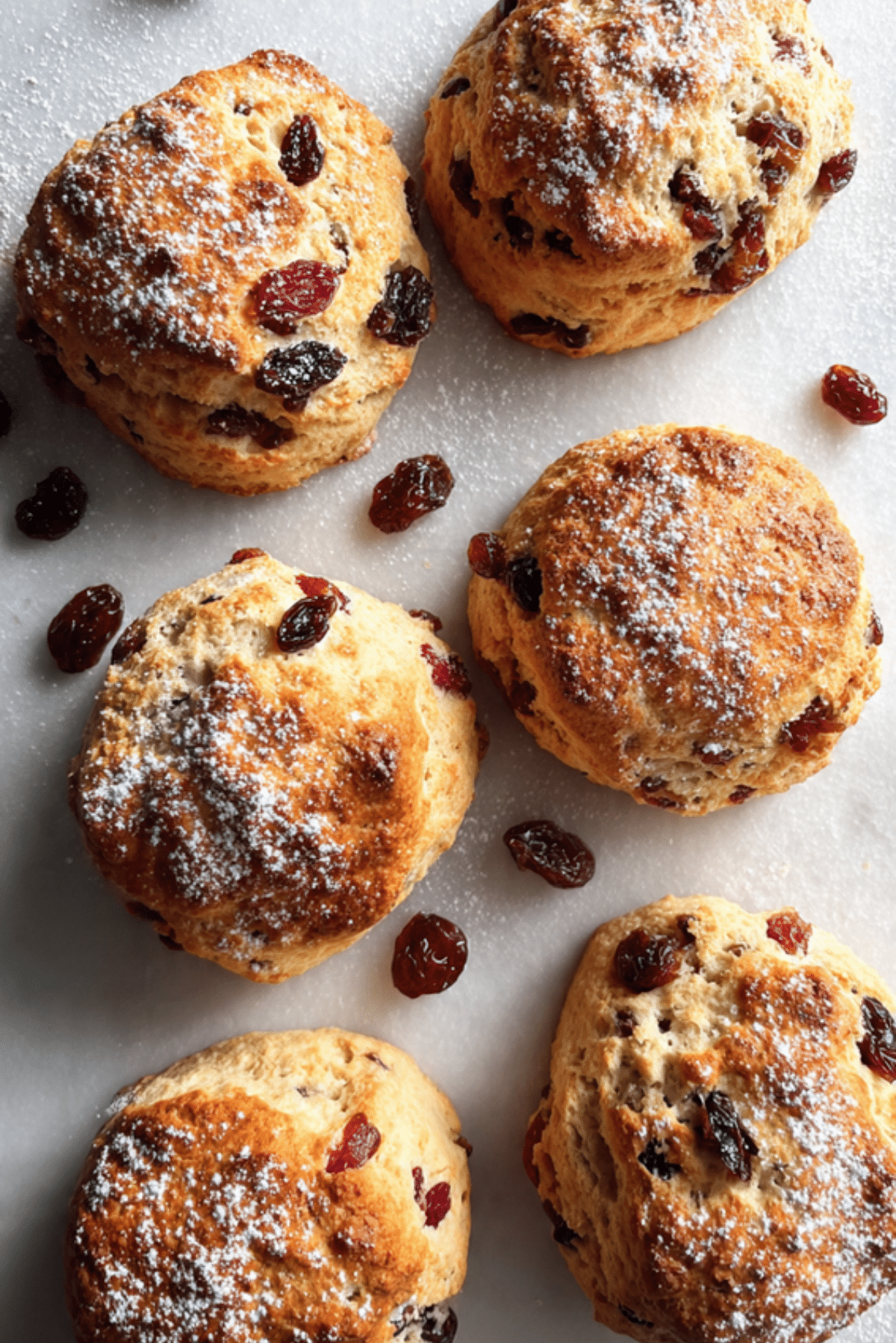
There is something undeniably comforting about a warm, butter-rich pastry pulled straight from the oven, and these Fruit Scones are the gold standard of cozy baking. Imagine a golden, slightly craggy exterior that shatters perfectly to reveal a soft, pillowy center dotted with sweet, jammy sultanas and currants. Trust me, you’re going to love this recipe because it strikes that elusive balance between being substantial enough for a morning meal and delicate enough for an elegant afternoon tea. Let me tell you, it’s worth every bite when you slather a warm wedge with a bit of cream or fruit preserve and watch it melt into the crumb. This one’s a total game-changer for your weekend routine, offering a timeless taste of home-baked goodness that never fails to impress.
A Timeless Staple of the Tea Table
The humble scone is perhaps the most beloved icon of British baking, a tradition that has been perfected over generations in country kitchens and grand hotels alike. While plain versions are wonderful, the addition of dried fruit elevates the experience by providing tiny bursts of concentrated sweetness that contrast beautifully with the buttery dough. It is a dish that values simplicity above all else, relying on the quality of the fat and the lightness of the touch to achieve its signature height and texture. Whether you enjoy them at a garden party or huddled by the fire on a rainy afternoon, these treats carry a sense of heritage and hospitality in every bite.
Why This Classic Bake is a Kitchen Essential
Mastering the art of the scone is a milestone for any home baker, providing you with a reliable recipe that can be whipped up at a moment’s notice.
Versatile: These work beautifully for a holiday breakfast, a mid-afternoon pick-me-up, or a sophisticated addition to a brunch spread.
Budget-Friendly: The ingredients are exceptionally modest, utilizing staples like flour, butter, and milk that are likely already in your pantry.
Quick and Easy: Unlike breads that require long proofing times, these are mixed, shaped, and baked in less than thirty minutes.
Customizable: You can swap the sultanas for dried cranberries, chopped apricots, or even add a hint of spice like cinnamon or nutmeg.
Crowd-Pleasing: Their rustic charm and classic flavor profile make them a hit with people of all ages, from toddlers to grandparents.
Make-Ahead Friendly: You can freeze the unbaked dough rounds and pop them into the oven whenever you need a fresh batch of pastries.
Great for Leftovers: If you have any remaining, they toast up beautifully the next day, bringing back that original buttery softness.
Secrets for a Sky-High Rise and Tender Crumb
To achieve those impressive, tall layers, you must handle the dough as little as possible to avoid developing the gluten. Start with very cold, cubed butter and use your fingertips or a pastry cutter to rub it into the flour until it looks like coarse breadcrumbs. When you add the liquid, stir just until a shaggy dough forms, then turn it onto a floured surface and gently pat it into shape rather than using a heavy rolling pin. Another pro tip is to use a sharp, straight-edged cutter and press down firmly without twisting, which ensures the edges remain open so the scone can expand upward freely during baking.
Essential Tools for Perfect Pastries
You don’t need a kitchen full of gadgets to make these, but having a few specific tools will make the process much more consistent and enjoyable.
Large Mixing Bowl: Gives you the space to toss the fruit and work the butter without making a mess.
Pastry Cutter or Fork: Helps to incorporate the cold fat without the heat from your hands melting the butter.
Round Biscuit Cutter: A sharp metal cutter provides the cleanest edges for the best possible rise.
Baking Sheet and Parchment: Ensures an even bake and prevents the bottoms from browning too quickly or sticking.
Pastry Brush: Essential for applying that final glaze of milk or egg wash that gives the scones their beautiful golden sheen.
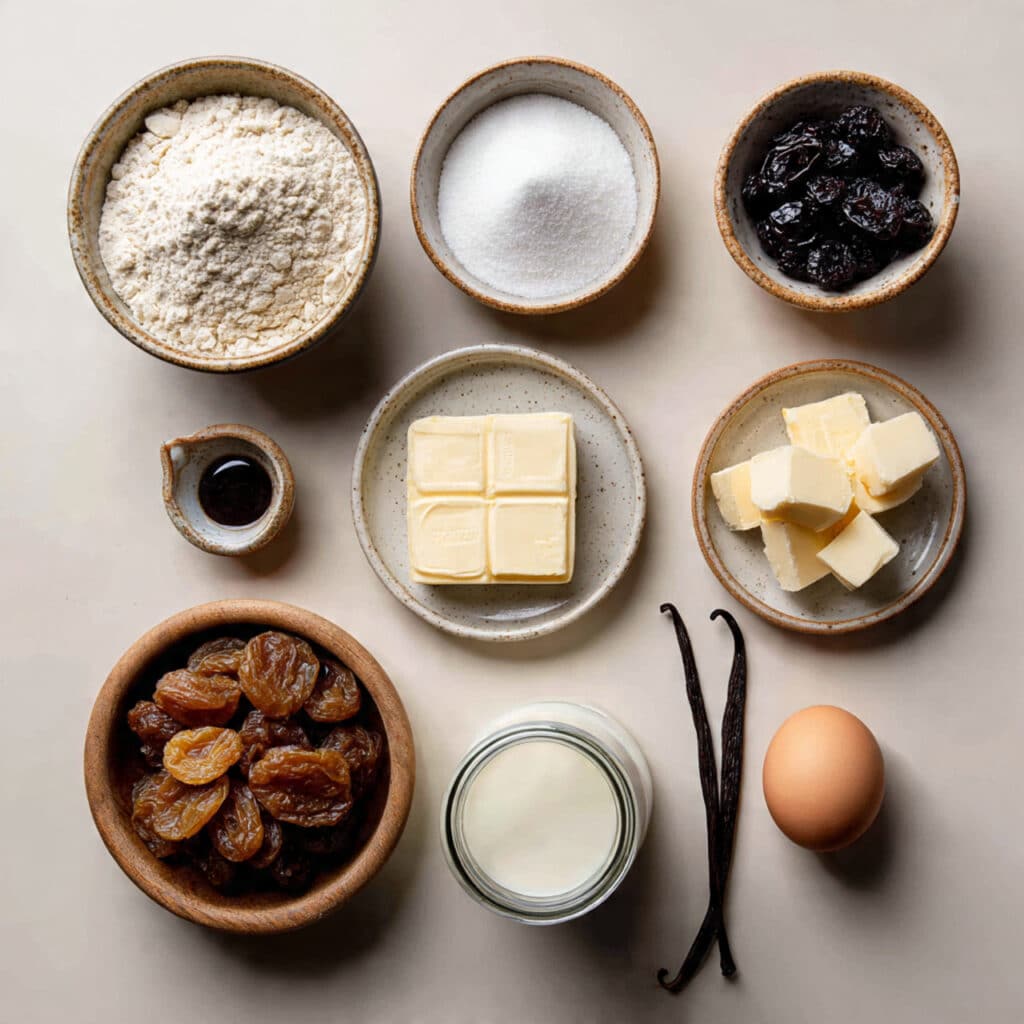
Ingredients You Will Need For Fruit Scones
Each component of this recipe is chosen to create a texture that is crumbly yet moist, with a flavor that is rich and subtly sweet.
- All Purpose Flour: 3 cups to provide the structure and a tender, biscuit-like crumb.
- Baking Powder: 1 tablespoon plus 1 teaspoon to ensure a dramatic rise and light texture.
- Granulated Sugar: 0.25 cups to add a gentle sweetness that complements the dried fruit.
- Unsalted Butter: 0.75 cups of cold, cubed butter for that essential flaky and rich mouthfeel.
- Sultanas or Raisins: 0.75 cups of plump dried fruit for sweet, chewy pockets of flavor throughout.
- Whole Milk: 1 cup to bind the dough together and provide a rich, creamy taste.
- Large Egg: 1 egg, lightly beaten, to add stability to the dough and for glazing the tops.
- Salt: 0.5 teaspoons to sharpen the flavors and balance the sweetness of the fruit.
- Vanilla Extract: 1 teaspoon for a warm, aromatic finish that ties all the flavors together.
Flexible Substitutions for Your Pantry
If you find yourself short on an ingredient, these simple adaptations will help you finish your bake without a trip to the store.
Whole Milk: You can use buttermilk for a slightly tangier flavor and an even more tender texture.
Sultanas: Dried currants, chopped dates, or even dried cherries make wonderful alternatives for the fruit element.
Unsalted Butter: If you only have salted butter, simply omit the extra salt called for in the recipe.
Spotlight on the Stars of the Dish
The Unsalted Butter is the absolute foundation of the scone, providing the fat that coats the flour and creates those beautiful, flaky layers. Using high-quality Sultanas is equally important, as they soak up a bit of moisture during the bake, becoming soft and jam-like, which provides a lovely contrast to the crisp edges of the pastry.
Step-by-Step Guide to Scone Success
The process of making these is rhythmic and satisfying, perfect for a quiet morning in the kitchen. Follow these steps for a flawless batch.
- Preheat Your Equipment: Set your oven to 425 degrees and line your baking sheet with parchment paper so it is ready for the dough.
- Combine Ingredients: Whisk the flour, sugar, baking powder, and salt together before rubbing in the cold butter until the mixture resembles coarse sand.
- Prepare Your Cooking Vessel: Stir in the sultanas so they are evenly distributed through the dry mixture.
- Assemble the Dish: Whisk the milk, egg, and vanilla together, then pour into the center and stir gently with a fork until a soft dough forms.
- Cook to Perfection: Pat the dough to an inch thickness, cut into rounds, and bake for twelve to fifteen minutes until the tops are a deep golden brown.
- Finishing Touches: Brush the tops with a little extra milk or egg wash halfway through for a professional, glossy finish.
- Serve and Enjoy: Allow them to cool for just a few minutes on a wire rack before serving them warm with butter or cream.
Texture and Flavor Development
When you bite into a fresh scone, you should experience a satisfying crunch from the golden exterior, followed by a soft, almost steamy interior. The flavor is deeply buttery with a clean, wheaty finish that isn’t overly sugary, allowing the sweetness of the sultanas to really shine. As they cool, the texture firms up slightly, making them the perfect vehicle for a thick spread of fruit preserve or a dollop of clotted cream.
Helpful Cooking Tips and Tricks
- Chill your flour and bowl in the fridge for ten minutes before starting if your kitchen is very warm.
- Do not over-knead the dough, just bring it together until it holds its shape.
- Space the scones about two inches apart on the baking sheet to allow the hot air to circulate and brown the sides.
Common Pitfalls to Avoid
- Using Warm Butter: If the butter is soft, it will blend into the flour rather than creating the pockets of fat needed for flakiness.
- Twisting the Cutter: This seals the edges of the dough and prevents the scone from rising as tall as it should.
- Over-Baking: Scones can dry out very quickly, so keep a close eye on them and remove them as soon as they are golden.
Nutrition Facts
Servings: 10 scones
Calories per serving: 320
Note: These are approximate values.
Preparation Time
Prep Time: 15 minutes
Cook Time: 15 minutes
Total Time: 30 minutes
Make-Ahead and Storage Tips
These are best eaten on the day they are made, but you can store them in an airtight container for up to two days. To revive them, simply wrap them in foil and warm them in the oven for five minutes. For longer storage, freeze the baked scones for up to a month and thaw them at room temperature before a quick reheat.
How to Serve
For a classic experience, serve these on a pretty platter alongside a bowl of thick cream and a jar of strawberry or raspberry jam. They pair perfectly with a strong cup of breakfast tea or a fresh coffee, making for a truly indulgent and traditional snack.
Creative Leftover Transformations
If you have a few scones that are starting to feel firm, try slicing them and making a “scone French toast” by dipping them in an egg wash and frying them in butter. They also make a delicious base for a fruit cobbler; simply crumble them over seasoned fruit and bake until bubbly.
Additional Tips for Success
To ensure your fruit is evenly distributed, toss the sultanas with a tablespoon of flour before adding them to the dough, which prevents them from sinking or clumping together. Using a high-quality whole milk will provide a much better flavor and richer texture than skim or low-fat varieties.
Make It a Showstopper
For a truly beautiful finish, sprinkle a little coarse sanding sugar over the egg-washed tops before they go into the oven. This creates a sparkling, crunchy crust that looks incredibly professional and adds a lovely textural contrast to the soft fruit.
Variations to Try
- Lemon Poppy Seed Fruit Scone: Add the zest of one lemon and a tablespoon of poppy seeds to the dry ingredients.
- Cranberry Orange: Swap the sultanas for dried cranberries and add a tablespoon of fresh orange zest.
- Spiced Fruit: Add a teaspoon of ground cinnamon and a pinch of cloves for a warmer, more autumnal flavor.
FAQ’s
- Why are my scones flat?
This usually means the baking powder was old or the dough was overworked and the air was pressed out. - Can I use frozen fruit?
It is best to stick to dried fruit for this recipe as frozen berries can add too much moisture and change the texture. - What is the best way to cut them?
Use a sharp metal cutter and press straight down without twisting for the best rise. - Can I make them vegan?
You can use a vegan butter substitute and oat or almond milk, though they may be slightly less flaky. - How thick should the dough be?
Aim for about one inch thick; if the dough is too thin, the scones will be small and dry. - Do I have to use an egg wash?
No, but it gives them that beautiful golden color and a slight shine that looks very appetizing. - Why is the bottom of my scone burnt?
Try using a heavy-duty baking sheet or double-stacking your sheets to provide a bit more insulation. - Can I use self-rising flour?
Yes, but omit the extra baking powder and salt called for in the recipe. - How do I stop the fruit from burning?
Make sure the fruit is tucked into the dough rather than sitting right on the surface. - Can I use a food processor?
Yes, you can pulse the butter and flour, but be very careful not to over-process once you add the liquid.
Conclusion
Baking a batch of Fruit Scones is a wonderful way to bring a touch of classic tradition into your home, filling your kitchen with the scent of butter and sweet fruit. While the process is simple, the results are deeply rewarding, providing a perfect treat that feels both special and effortless. I hope you enjoy the crisp edges and soft, fruity centers of these scones as much as I do. Happy baking!
PrintFruit Scones

A classic, buttery British scone studded with sweet sultanas and currants. These scones are flaky, tall, and perfect for a traditional afternoon tea or a cozy breakfast.
Ingredients
- 3 cups All Purpose Flour
- 1 tablespoon plus 1 teaspoon Baking Powder
- 0.25 cups Granulated Sugar
- 0.5 teaspoons Salt
- 0.75 cups Unsalted Butter, cold and cubed
- 0.75 cups Sultanas or Raisins
- 1 cup Whole Milk
- 1 large Egg
- 1 teaspoon Vanilla Extract
Instructions
- Preheat oven to 425°F (220°C) and line a baking sheet with parchment paper.
- In a large bowl, whisk together the flour, sugar, baking powder, and salt.
- Rub the cold butter into the dry ingredients using your fingertips until the mixture looks like coarse crumbs.
- Stir in the sultanas until evenly distributed.
- In a separate bowl, whisk together the milk, egg, and vanilla extract.
- Make a well in the center of the dry ingredients and pour in the liquid, stirring gently with a fork until a shaggy dough forms.
- Turn the dough onto a lightly floured surface and gently pat it into a 1-inch thick circle.
- Use a round cutter to press out scones and place them on the prepared baking sheet.
- Brush the tops with a little extra milk or egg wash and bake for 12 to 15 minutes until golden brown.
- Transfer to a wire rack to cool slightly before serving warm.
Notes
- Do not twist the cutter when pressing out the scones to ensure they rise tall.
- Use very cold butter to achieve a flaky, tender texture.
- Handle the dough as little as possible to avoid a tough crumb.